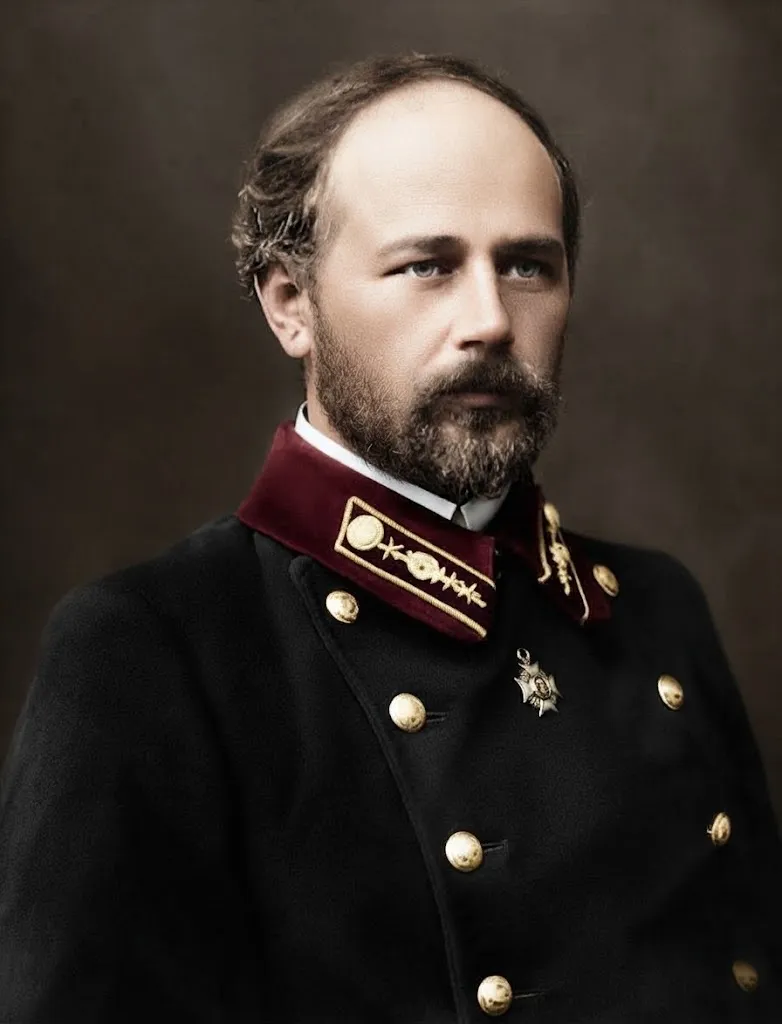
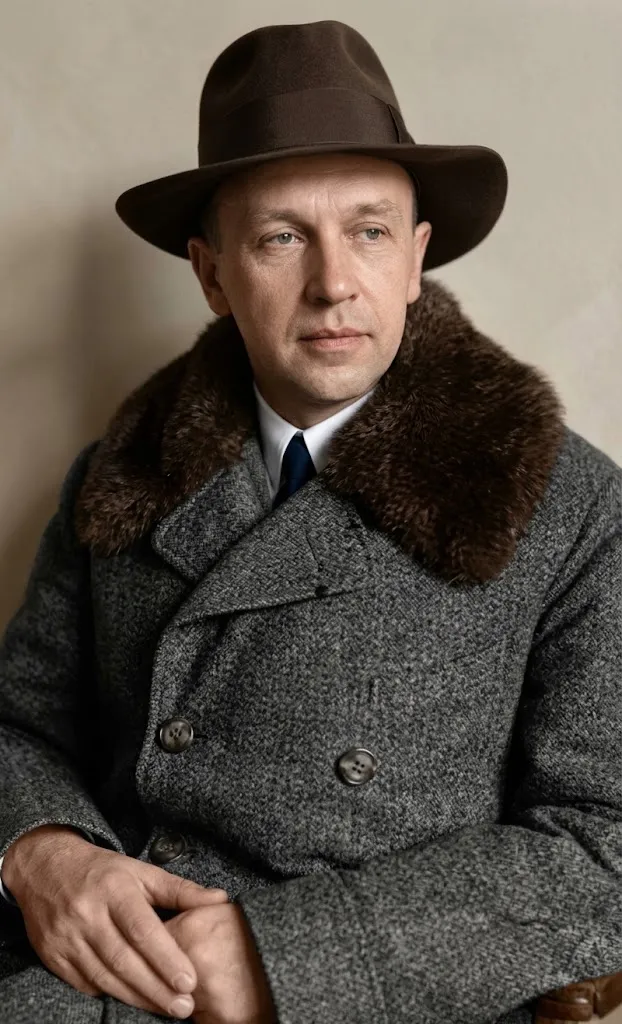
Klyment Kvitka
Musicologist, collector of 6,000+ songs
A judge by training and a deputy minister of the Ukrainian People's Republic, he made history with a music notebook. Klyment Kvitka, Lesya Ukrainka's husband, collected over 6,000 folk songs, saved the melodies she sang, helped record dumy on phonograph and founded a folk music centre in Kyiv.
Key accomplishments
- Collected over 6,000 folk songs, most of them Ukrainian
- Wrote down more than 200 melodies from Lesya Ukrainka's singing and published them in two volumes, Folk Melodies from the Voice of Lesya Ukrainka (1917–1918)
- With Lesya Ukrainka, organised the phonograph recording of dumy (1908) and brought Filaret Kolessa into it
- Ukrainian Folk Melodies (1922): 743 melodies, 685 of them recorded by himself
- Founded the Cabinet of Musical Ethnography of the All-Ukrainian Academy of Sciences and ran it until 1933
- Deputy General Secretary for Judicial Affairs of the Central Rada (1917) and Deputy Minister of Justice of the Ukrainian People's Republic (1918)
- Founded and led the Cabinet for the Study of the Musical Creativity of the Peoples of the USSR in Moscow (1937)
A judge with a music notebook
Did you know that more than 6,000 Ukrainian folk songs were collected and written down in notes by a man who was a judge by profession? Klyment Kvitka was born in 1880 in the village of Khmeliv in the Sumy region, trained as a lawyer in Kyiv and worked in the courts. He was already writing down songs as a student: in 1902 he published his first collection with notes, ten songs from villagers, from Ivan Franko and from Lesya Ukrainka.
Songs from Lesya’s voice
As a first-year student, he met Lesya Ukrainka in 1898 at a literary evening at the university. They married in 1907 and, because both were ill, lived in Crimea and later in the Caucasus. For years Kvitka wrote down the songs his wife sang, and after her death he published them in two volumes, Folk Melodies from the Voice of Lesya Ukrainka (1917–1918). That is how more than 200 songs the poet knew were saved in notes.
The secret benefactor
“For preserving the dumy, infinitely little has been done,” Kvitka wrote of kobzar singing. So in 1908 the couple took it on themselves. Lesya wrote to her mother that “Klonia found a benefactor who gave a little money for this purpose, and kept writing to all sorts of musician-ethnographers until he finally talked Filaret Kolessa into taking it on.” The benefactor was Lesya herself: the 300 roubles came from her dowry, and the couple kept it secret. They also recorded the kobzar Hnat Honcharenko on phonograph themselves, using a phonograph sent to them by Opanas Slastion.
From the ministry to the music stave
Under the Central Rada, Kvitka became Deputy General Secretary for Judicial Affairs, and in 1918 Deputy Minister of Justice of the Ukrainian People’s Republic. He helped build a Ukrainian language of law: he headed a section of the commission that worked out legal terminology.
Who sings the song
Later Kvitka left the law and founded the Cabinet of Musical Ethnography at the Academy of Sciences, which he ran until 1933. His collection Ukrainian Folk Melodies (1922) held 743 melodies, 685 of them recorded by himself. More than 200 of his recordings became themes for composers: Mykola Leontovych built his choral pieces “Piiut pivni” and “Kozaka nesut” on them. In 1929 Kvitka was nominated for academician, but he withdrew when the authorities added the communist officials Mykola Skrypnyk and Volodymyr Zatonskyi to the election. He is considered the founder of the sociological approach to Ukrainian music: he studied not only the songs but also the lives of the people who sang them, kobzars and lirnyks (hurdy-gurdy players) among them.
Working through the arrests
Arrests didn’t make him give up his research. In 1933 Kvitka lost his job and was arrested, and he moved to Moscow. In 1934 he was arrested again in the fabricated “Slavists case” and sent to a camp in Kazakhstan for three years, but in 1936 he was released early. He taught at the Moscow Conservatory again, and in 1937 he founded a cabinet there for the study of the music of the peoples of the USSR. He kept working to the end and died in Moscow on 19 September 1953.
Why it matters today
Klyment Kvitka showed that a folk song can be not only loved but saved: accurately, in notes and in sound, together with the names of the people who sang it. The thousands of melodies he wrote down, and the dumy whose recording he found a scholar for, remain a source for singers, kobzars and researchers. He served Ukraine both in the government of the Ukrainian People’s Republic and at the music desk, and he didn’t give up his work even after arrests and the camp. Anyone who writes down their grandparents’ songs today carries on his work.