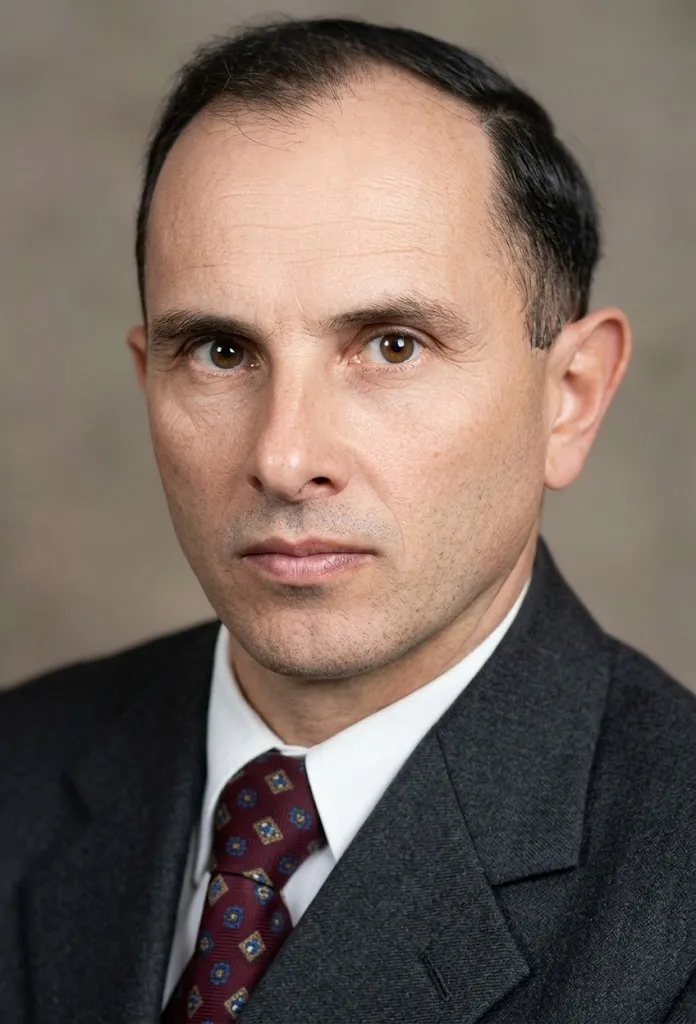
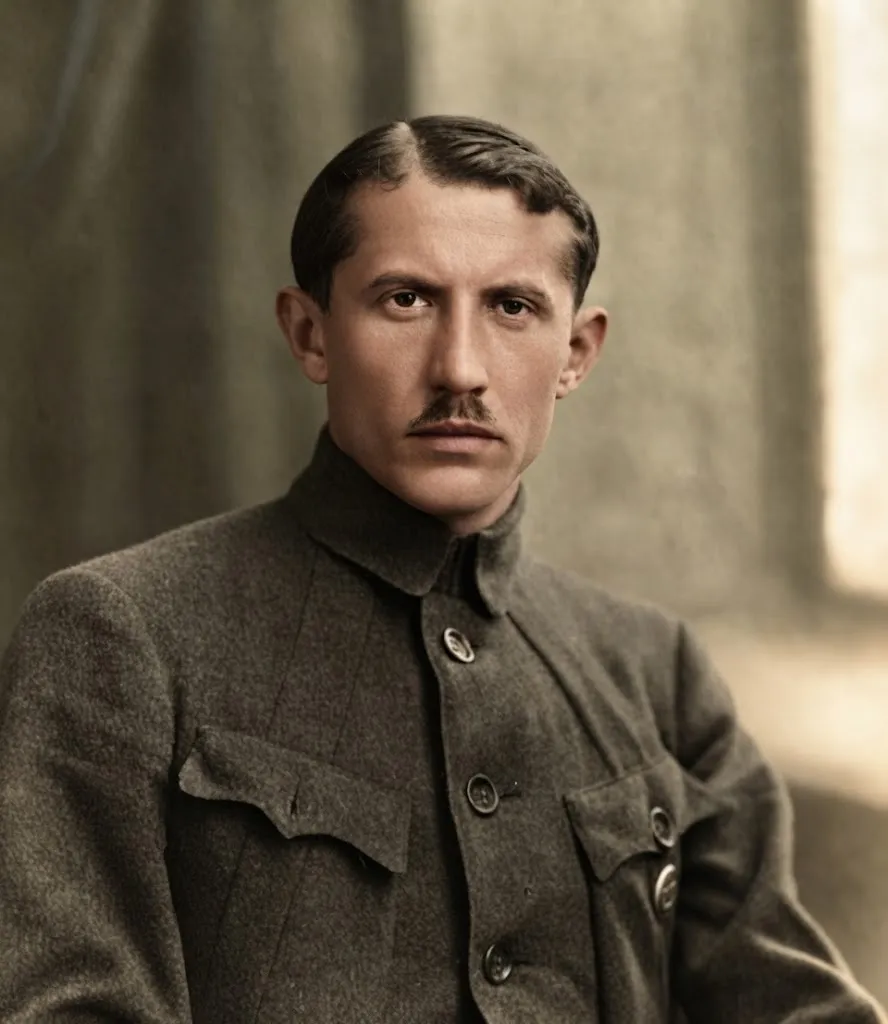
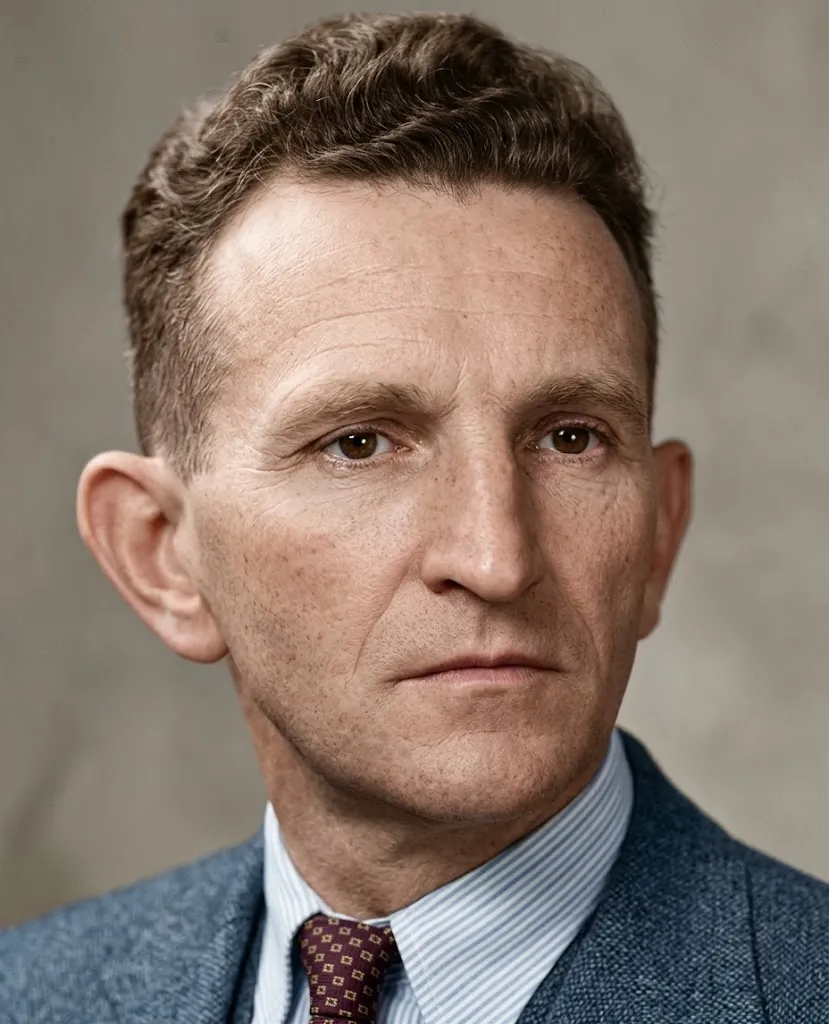
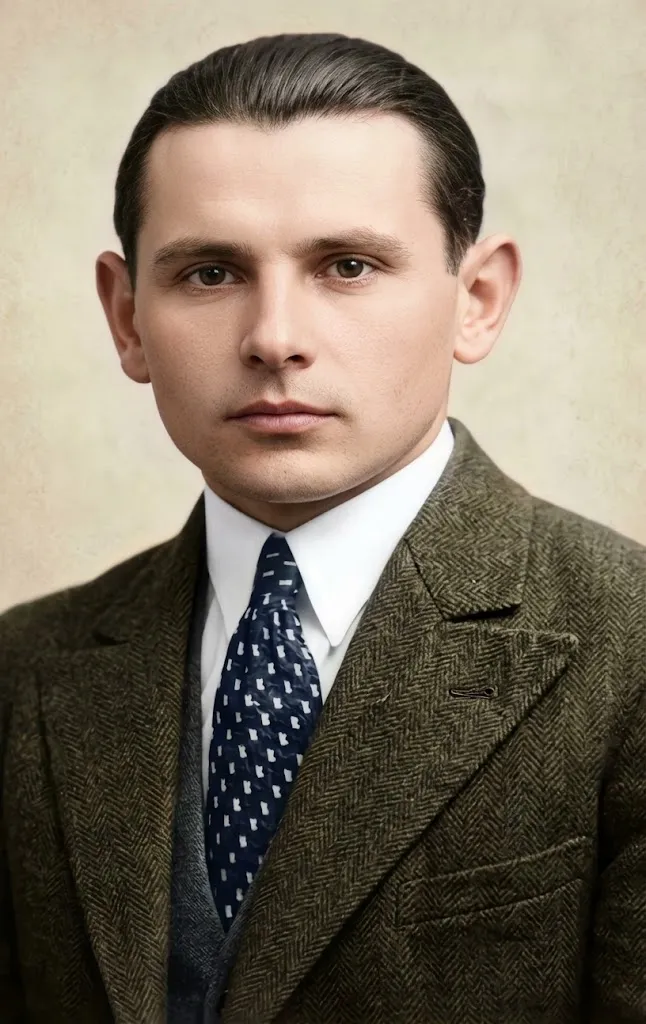
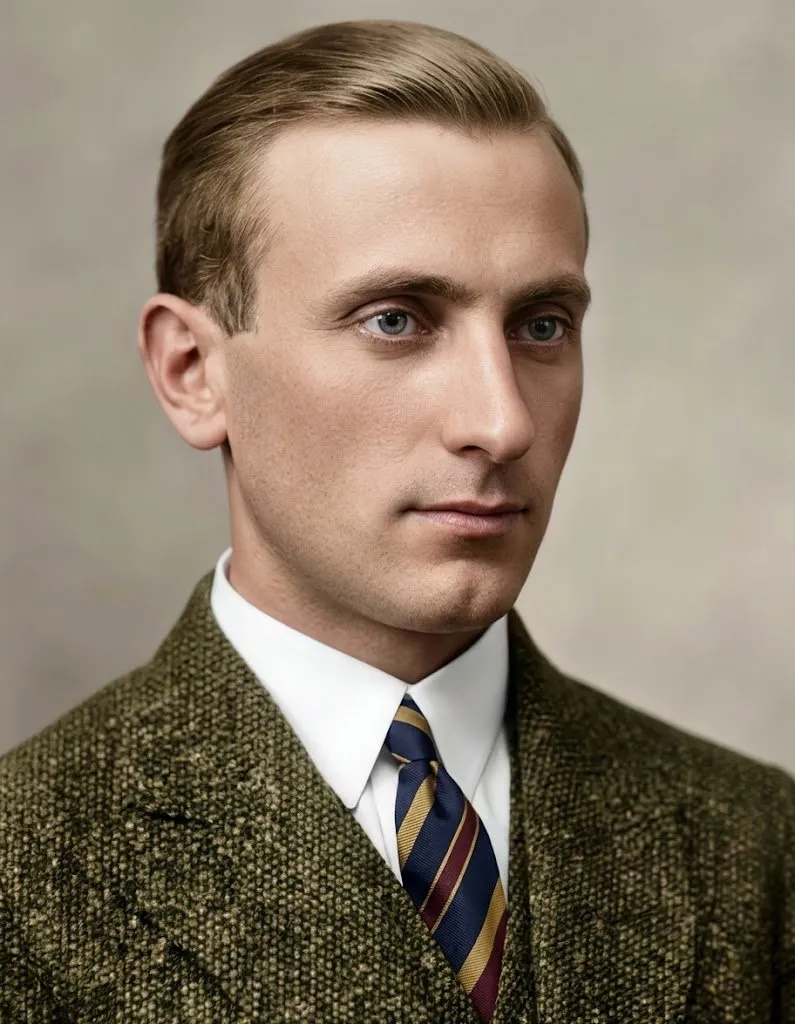
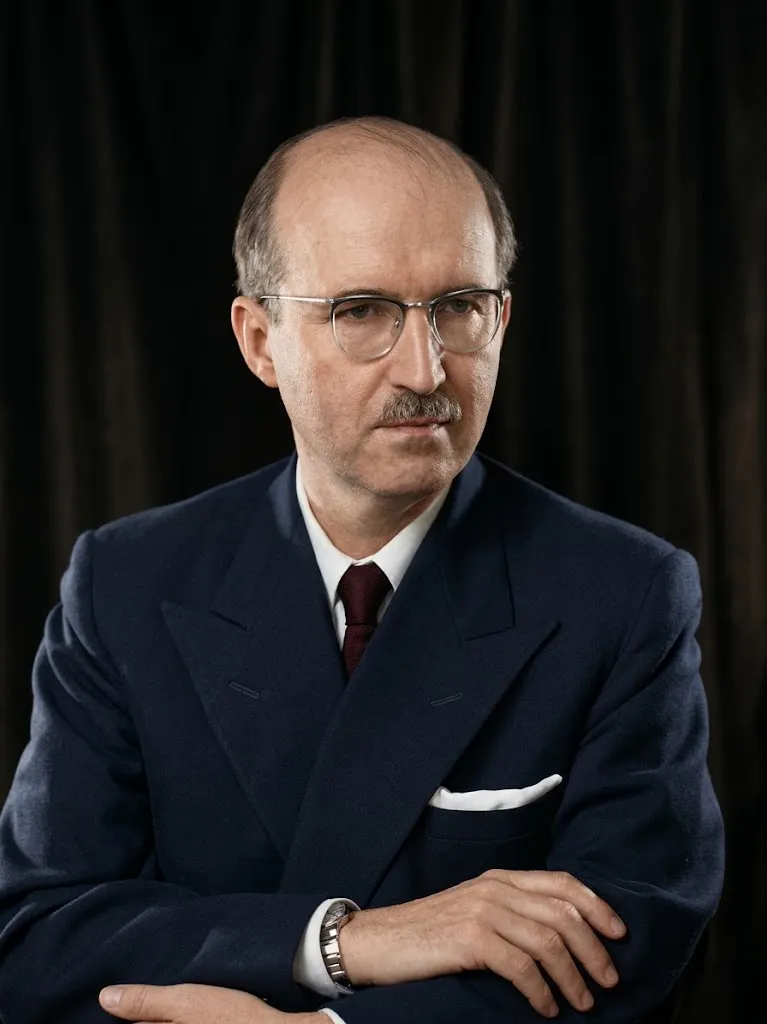
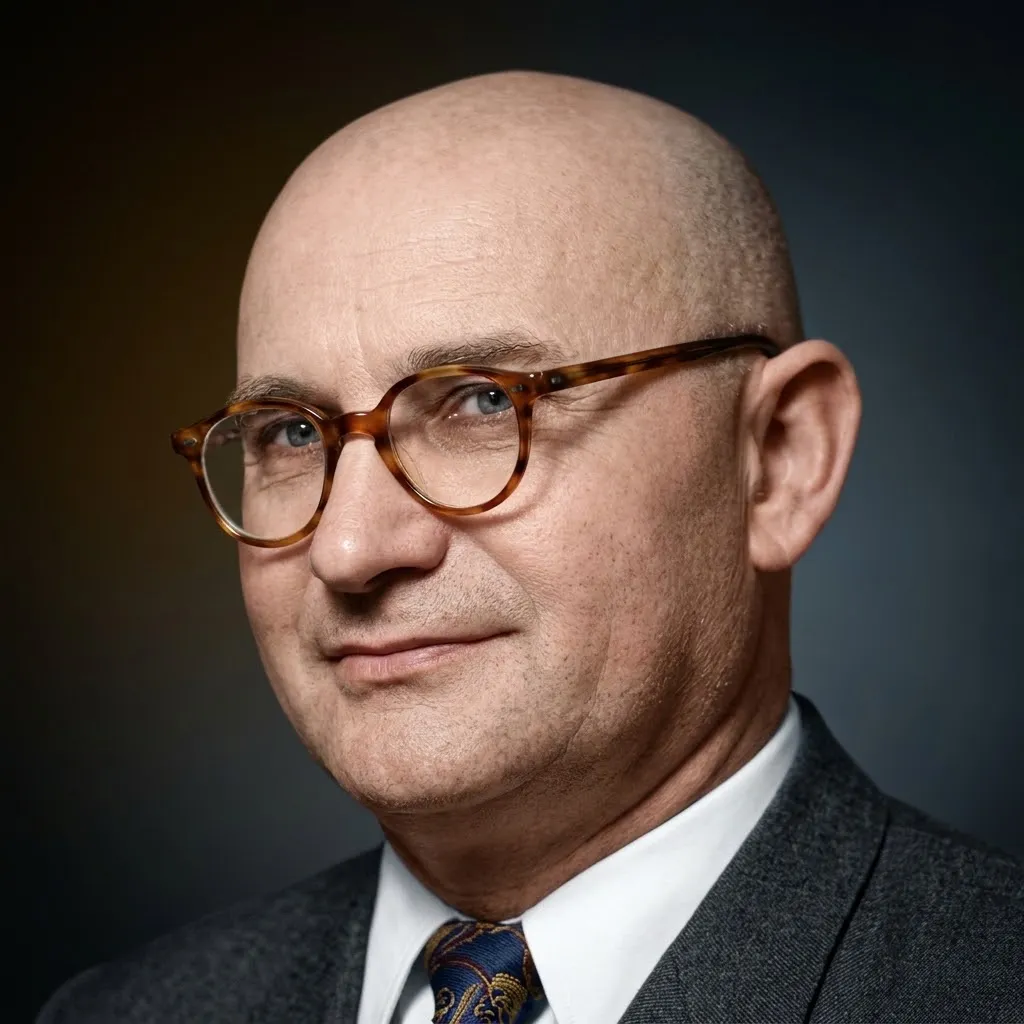
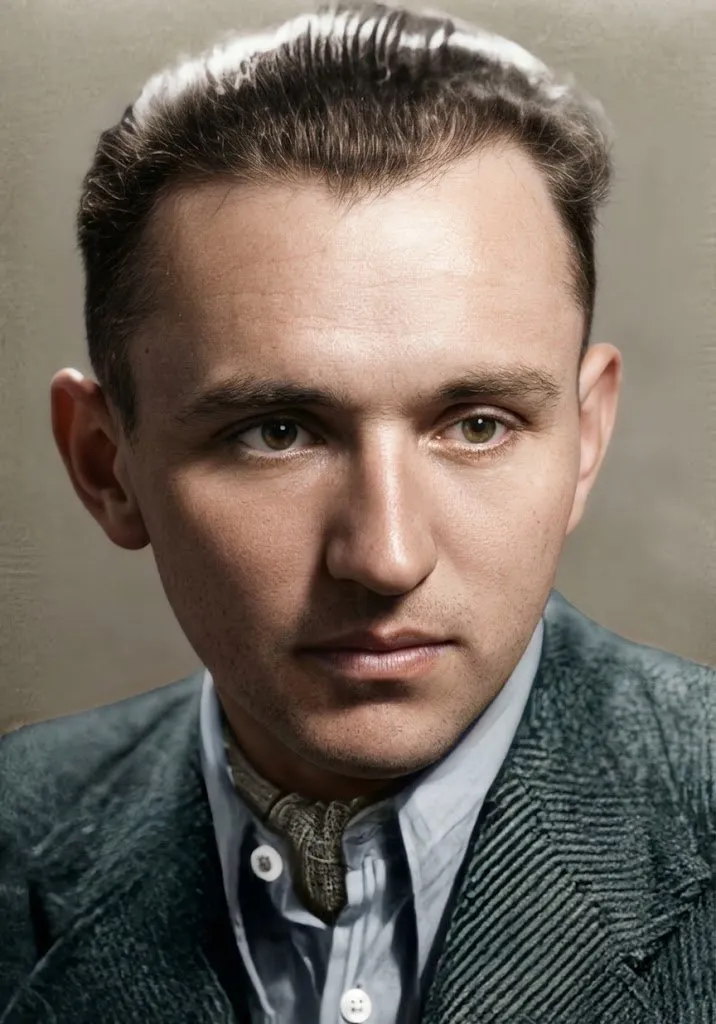
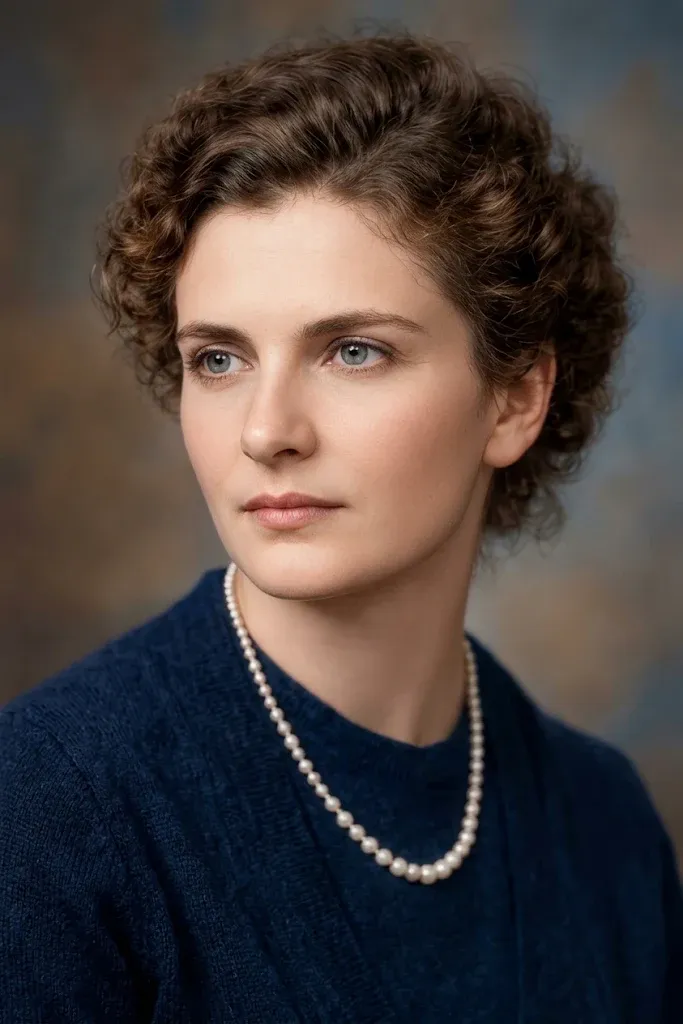
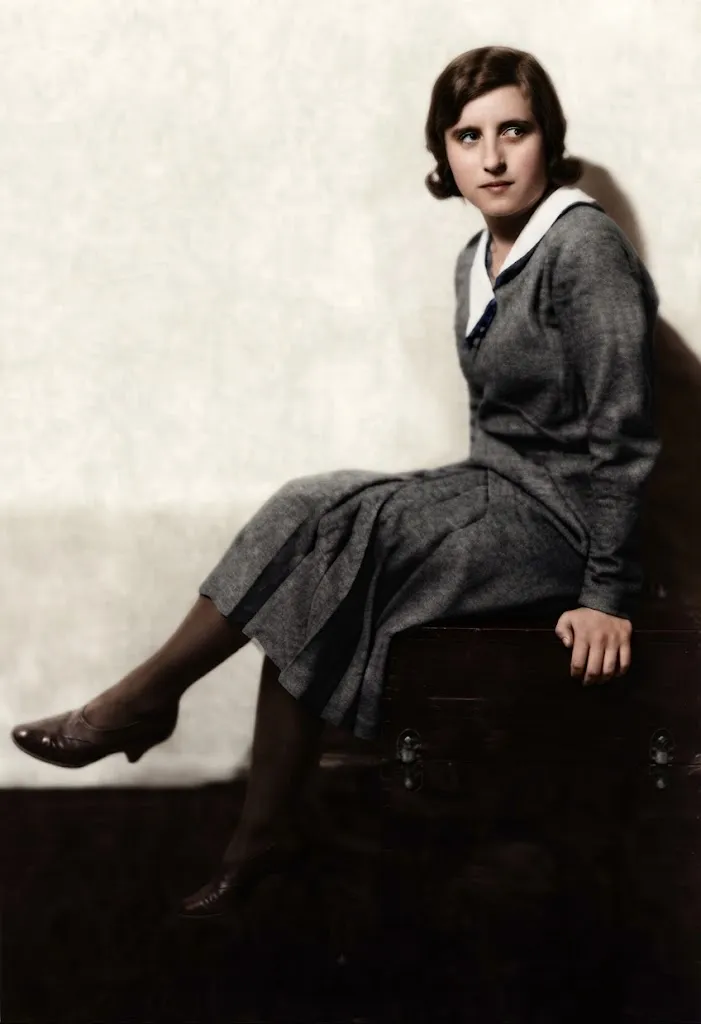
Stepan Okhrymovych
Co-founder of the OUN in Galicia
A philosophy student and scout, he brought young Stepan Bandera into the underground. Stepan Okhrymovych helped found the OUN at its 1929 congress in Vienna and became one of its leaders in Galicia. He died at 25, a few days after being tortured in a Polish prison.
Key accomplishments
- One of the creators of the Union of Ukrainian Nationalist Youth (1925–1926)
- Delegate to the First Congress of Ukrainian Nationalists in Vienna (1929), which founded the OUN
- First organizational officer (1929–1930) and propaganda officer (1930–1931) of the OUN’s regional executive; wrote the “Oath of the Ukrainian Nationalist”
Who brought Bandera into the underground?
Before Stepan Bandera’s name became known, another Stepan, four years older, knew him in Stryi. Okhrymovych, who had gone to the same gymnasium (secondary school) in Stryi, recommended his younger friend to the Ukrainian Military Organization (UVO), and later to the Organization of Ukrainian Nationalists (OUN). He himself lived only 25 years, but in that time he became one of the people who created that organization.
Scout and student
His sister remembered Stepan as a modest, kind young man whom the family called a “walking encyclopedia”. He was born on 18 September 1905 in the small town of Skole, in the Lviv region, into the family of a Greek Catholic priest, Bohdan Okhrymovych. He went to the Academic Gymnasium in Lviv and in 1923 finished school in Stryi. He studied philosophy at the Ukrainian Secret University in Lviv: the Polish authorities would not let Ukrainians have a university of their own, so lectures were held in secret. From 1925 he studied at Lviv University. He worked at the Shevchenko Scientific Society as assistant to the linguist Vasyl Simovych, and at the National Museum in Lviv. Okhrymovych was one of the organizers of Plast, the Ukrainian scouting movement, in Galicia, and is thought to have founded the senior scouts’ troop “Chervona Kalyna”.
From student circles to the OUN
The Union of Ukrainian Nationalist Youth was formed in 1925–1926 with his direct involvement: it brought together student circles in Lviv and gymnasium pupils from Stryi, among them Stepan Bandera. Okhrymovych was a member of the UVO, and, according to researchers, it was he who recommended Bandera to it, and then to the OUN. In early 1929 he was a delegate to the First Congress of Ukrainian Nationalists in Vienna, which founded the OUN and elected Yevhen Konovalets as its head. Okhrymovych was secretary of the congress presidium.
He then became one of the OUN’s leaders in the western Ukrainian lands: in its regional executive he was the first organizational officer (1929–1930), then propaganda officer (1930–1931), and he edited its underground bulletin. He also wrote the “Oath of the Ukrainian Nationalist”.
Arrest, and Easter in Zavadiv
The Polish police arrested Okhrymovych in spring 1931. He was tortured during the investigation, but, researchers write, gave no information about the organization. He came out of prison gravely ill and a few days later, on 10 April 1931, Good Friday, he died at his parents’ home in the village of Zavadiv near Stryi. He was 25. He was buried on Easter Sunday, and thousands of people came to say goodbye: villagers, scouts, young people and educated townsfolk from Stryi.
Debates and assessments
Sources describe his highest post in different ways. Some say that after the regional leader Yuliian Holovinskyi was killed in autumn 1930, Okhrymovych headed the OUN in the western Ukrainian lands until his arrest. Others call him only an officer of the regional executive. In those years the OUN fought the Polish authorities, including by radical methods, among them political killings. Okhrymovych worked mainly as an organizer and ideologist of the youth movement, and historians still judge the OUN ideology he helped shape in different ways.
Why it matters today
Stepan Okhrymovych’s story shows that the fight for Ukraine in Galicia between the wars was started by very young people: students, scouts, schoolboys. At the cost of his health and his life he did not betray his comrades, and thousands came to his funeral. Knowing his name means seeing where the paths of people everyone knows today began.