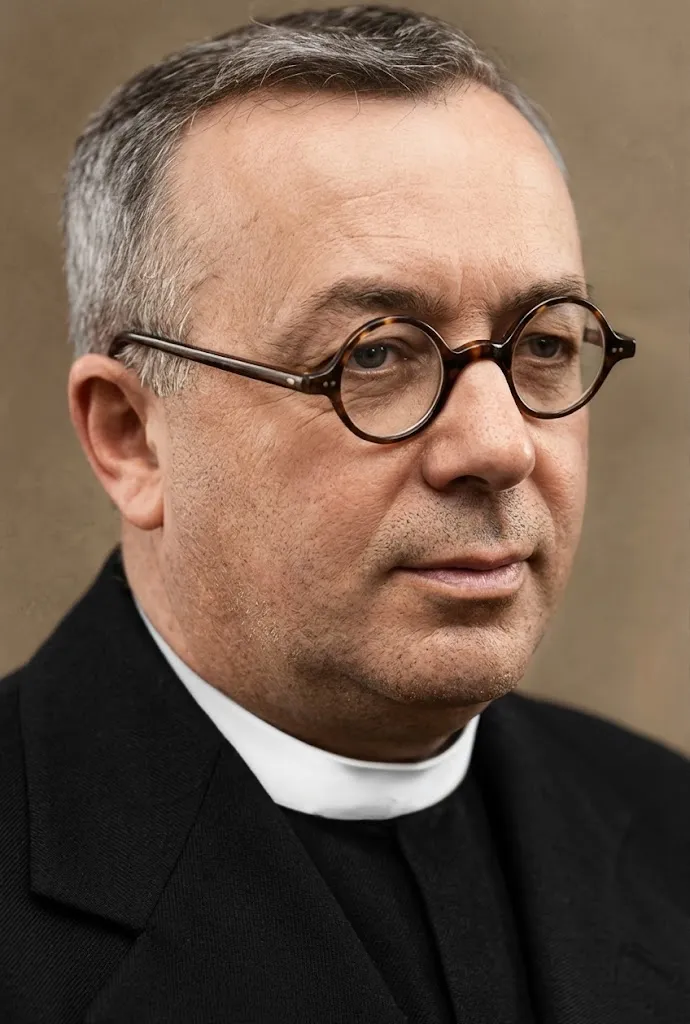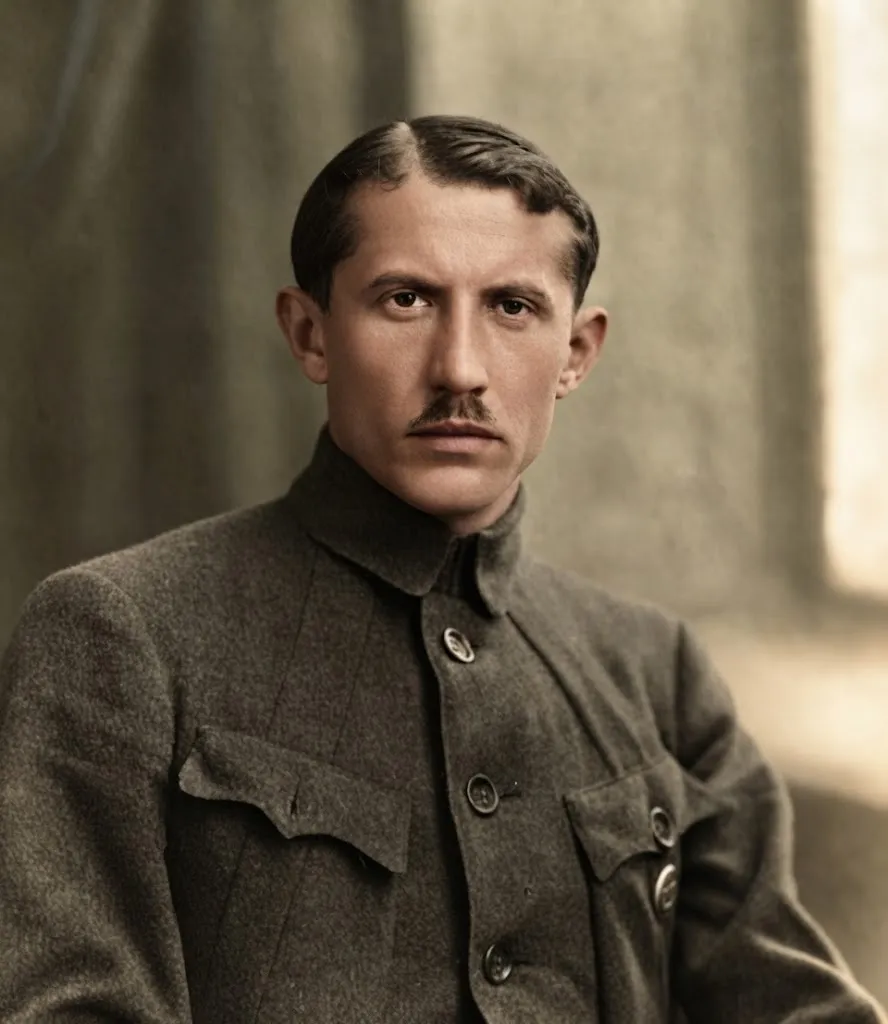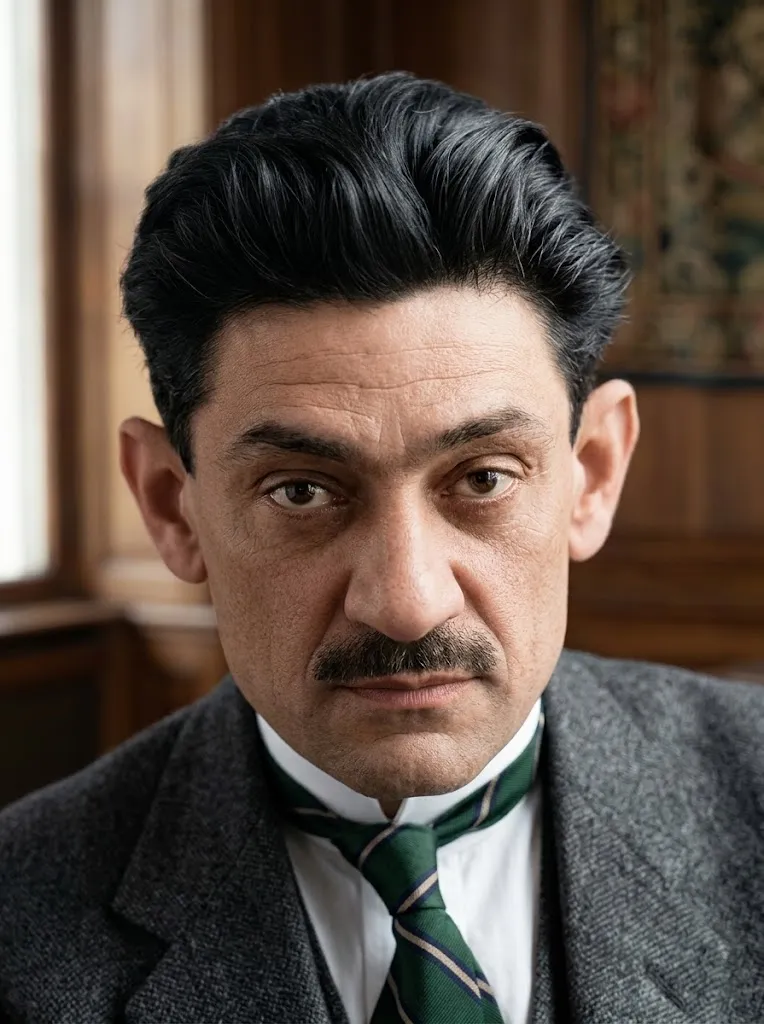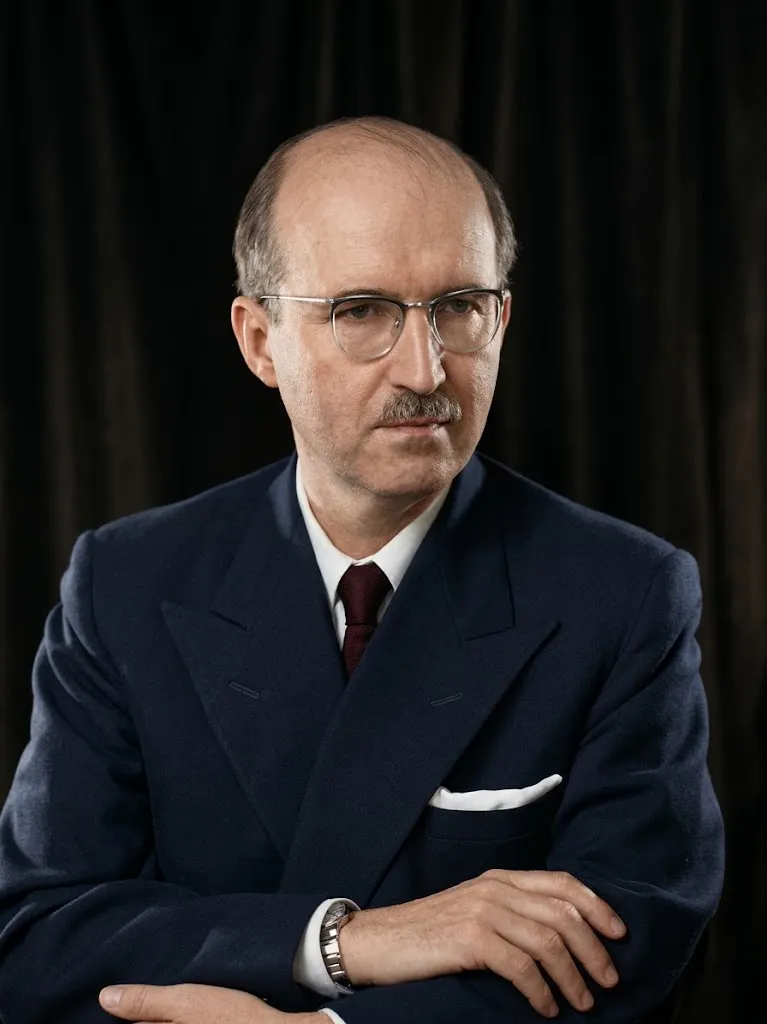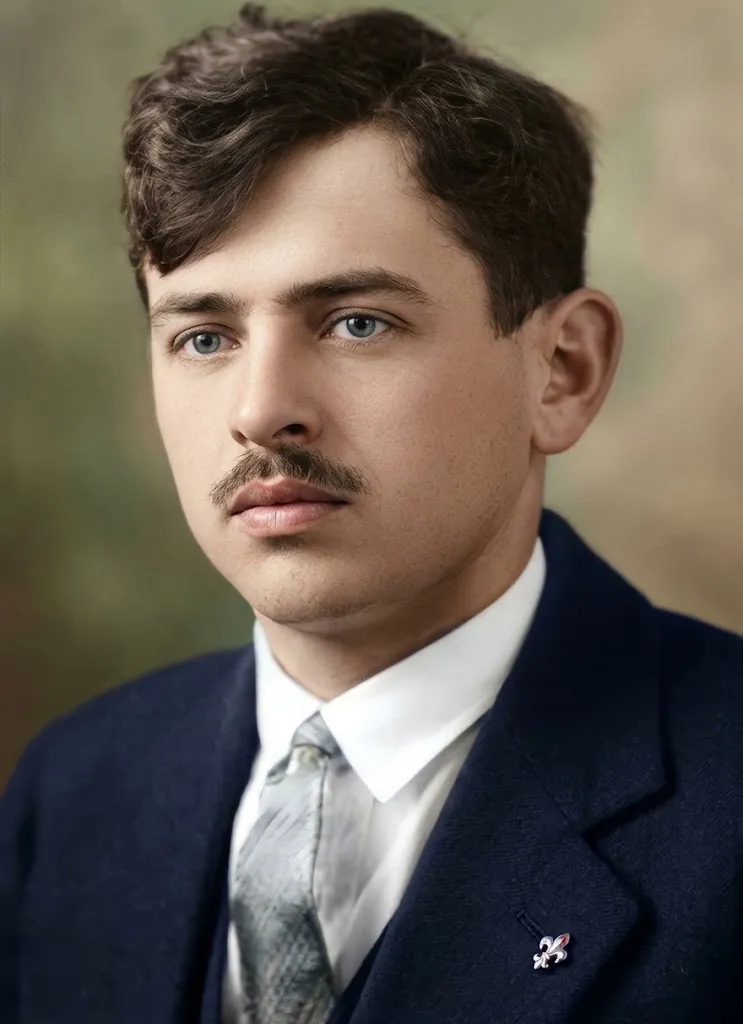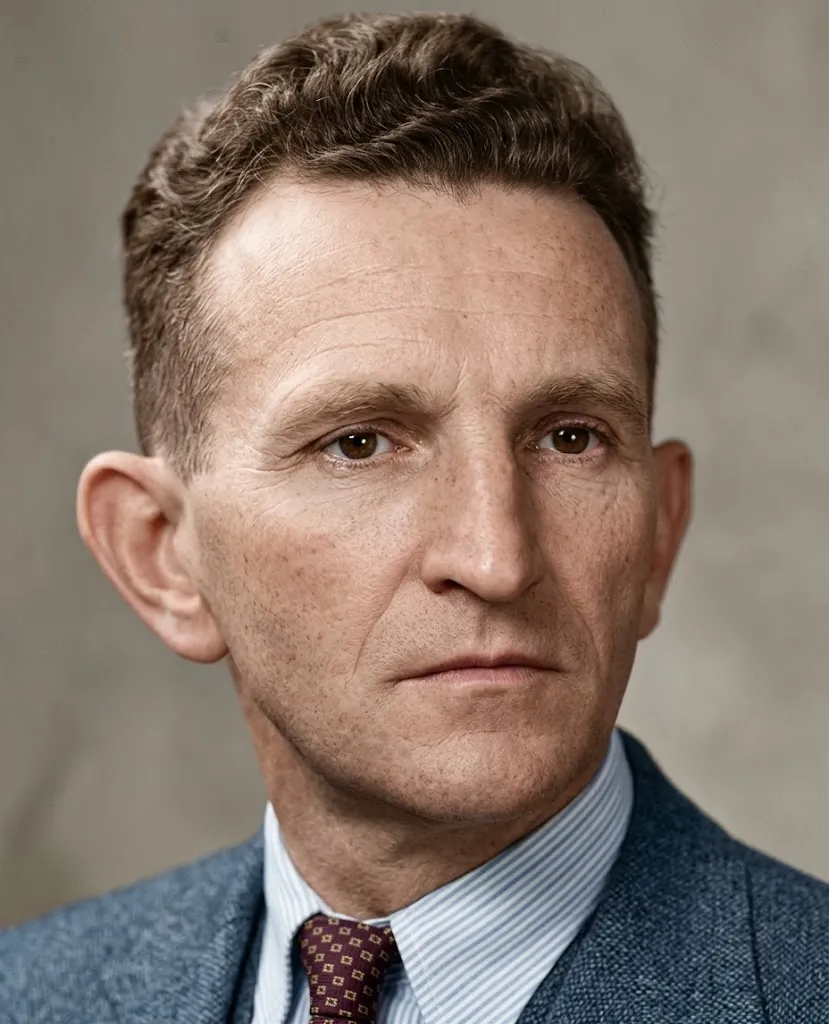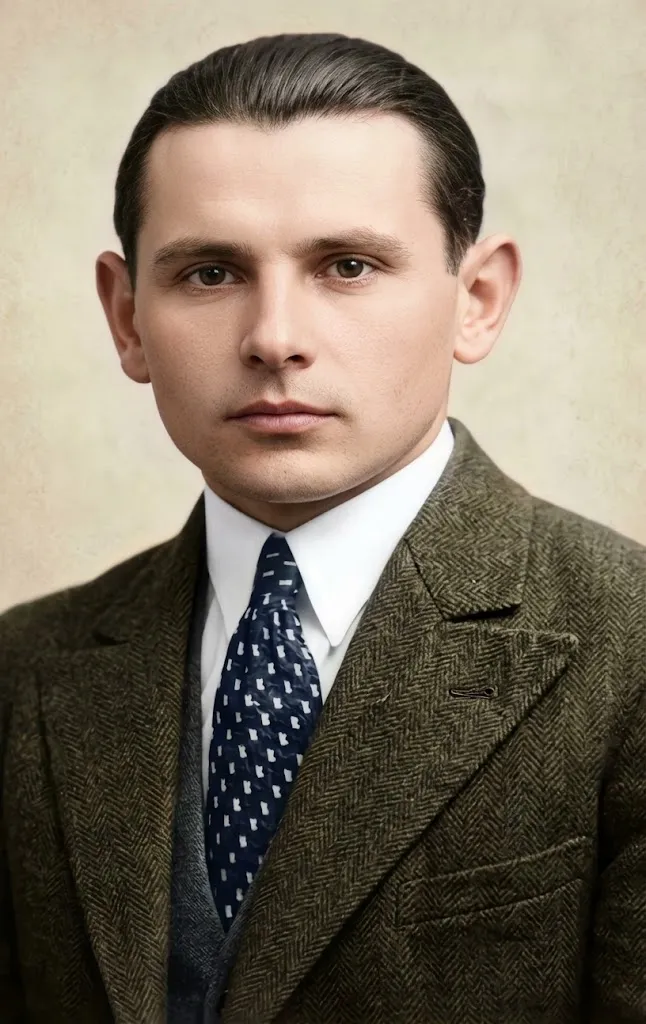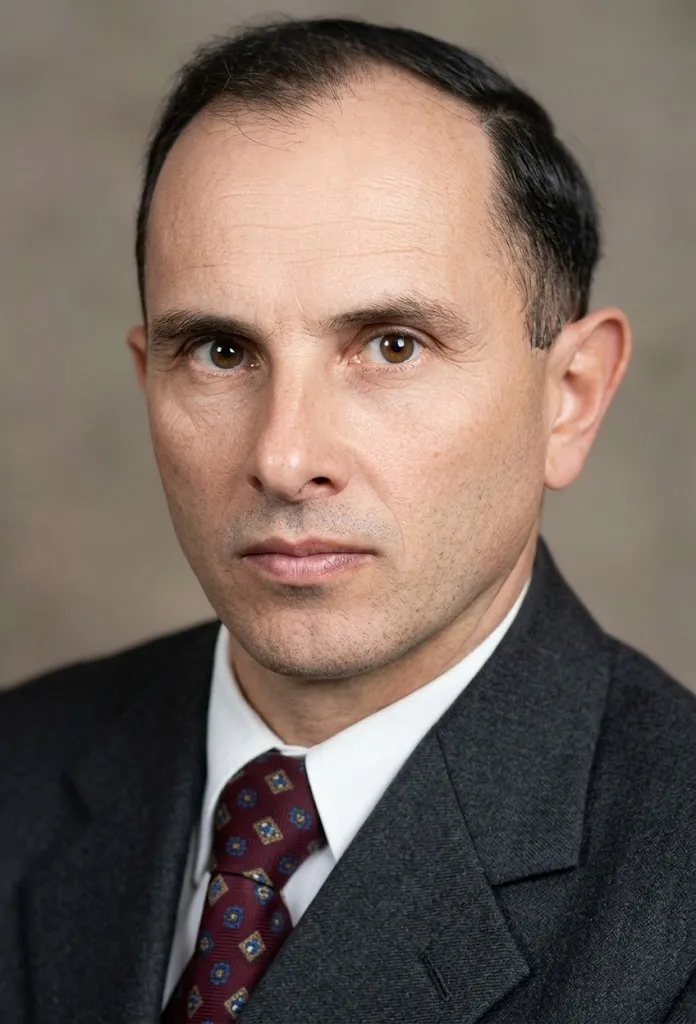
Mykhailo Kolodzinskyi
Chief of staff of the Carpathian Sich
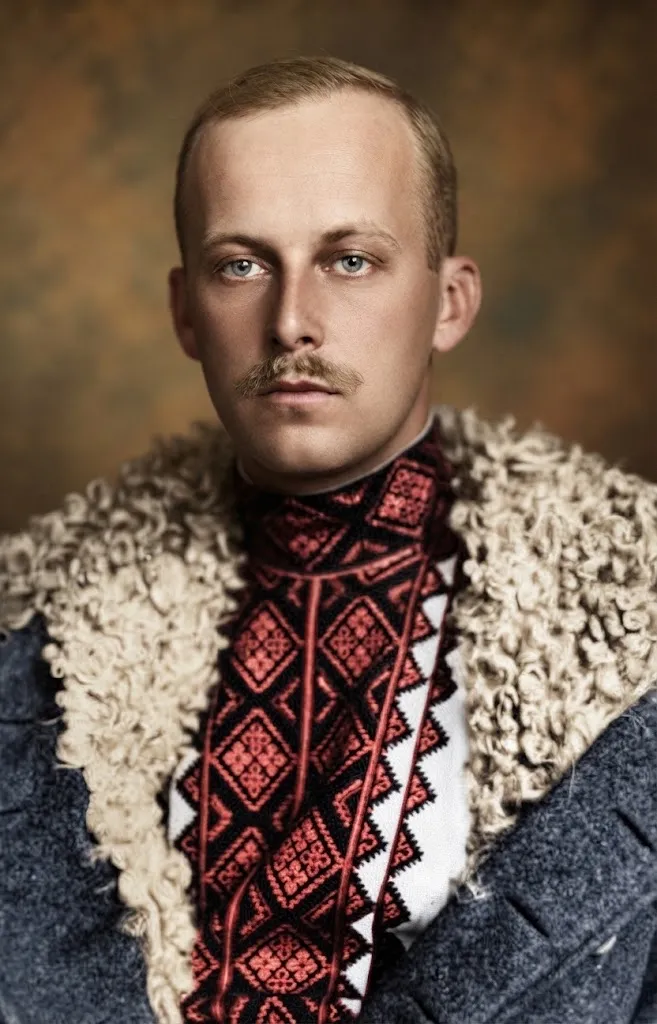
The son of a Roman Catholic of Polish descent became a military theorist of the OUN. In 1939 Colonel “Huzar”, Mykhailo Kolodzinskyi, spent a few weeks building an army for Carpatho-Ukraine and was killed when Hungarian troops took it.
Key accomplishments
- Military officer of the OUN’s regional executive in the western Ukrainian lands (1929–1933)
- Taught guerrilla warfare at military courses in Italy (1933–1934)
- Author of works on military theory, including the “Military Doctrine of Ukrainian Nationalists” (1935–1938)
- Chief of staff of the Carpathian Sich (from January 1939); drew up the plan for Carpatho-Ukraine’s armed forces
- Commanded the armed forces of Carpatho-Ukraine during the Hungarian invasion (March 1939)
The Roman Catholic’s son who chose Ukraine
Did you know that one of the OUN’s military theorists was baptised in a Roman Catholic church? Mykhailo Kolodzinskyi was born in 1902 in the village of Potochyshche, near Horodenka. His father was a Roman Catholic of Polish descent. But Mykhailo went to Ukrainian gymnasiums in Horodenka and Kolomyia, and at twenty he moved to the Greek Catholic Church of his own accord.
As a young man he played football for a team called Khortytsia, joined Plast, the Ukrainian scouts, and in 1922 became a member of the underground Ukrainian Military Organization (UVO).
An officer stripped of his rank
Kolodzinskyi served in the Polish army and graduated from its officer cadet school. He entered the law faculty of Lviv University (in 1927 or 1928; sources differ), but the underground came first. On 1 November 1928, the tenth anniversary of the November Uprising, a blue-and-yellow flag embroidered with the letters UVO appeared over St George’s Cathedral in Lviv. Two UVO members had hung it, and Kolodzinskyi was one of them. From then on the Polish police kept a close watch on him.
His pamphlet “The Polish Uprising of 1863” came out under the pen name “M. Budzhak”. Investigators said it urged Ukrainians to fight Poland the way the Poles themselves had once risen against Moscow’s rule. From 1929 he was in charge of military training in the regional leadership of the Organization of Ukrainian Nationalists (OUN). The Polish authorities stripped him of his officer’s rank and arrested him several times; in all he spent almost three years in prison.
A teacher of guerrilla war
Kolodzinskyi went abroad in 1933 to work for the OUN leadership in exile, headed by Yevhen Konovalets. In Italy he taught guerrilla warfare at the courses of the Croatian revolutionaries, the Ustaše, with whom the OUN was then cooperating. After 1934 the Italian authorities interned the Ukrainians. From 1935 Kolodzinskyi worked on his main work, the “Military Doctrine of Ukrainian Nationalists”.
On 10 March 1938 Yaroslav Stetsko sent him an official letter asking for a paper on Ukrainian military doctrine for an OUN journal by 1 June. What Kolodzinskyi wrote was far longer than any journal article. In its typescript, the mention of Konovalets’s death on 23 May 1938 is added by hand, so the work was mostly finished that spring. Its first part was printed only after his death, and the full text was not published until 2019.
Colonel “Huzar” in Khust
Kolodzinskyi wrote a study of the military importance of Transcarpathia in 1938, and in January 1939 he arrived in Khust himself as Colonel “Huzar”. He became chief of staff of the Carpathian Sich: he formed its units, trained volunteers and drew up a plan for the region’s armed forces. On 13–14 March he led the defence of Khust in a clash with Czechoslovak troops, and laid down arms only when Avhustyn Voloshyn ordered it.
On 15 March Carpatho-Ukraine declared independence, Voloshyn became its president, and Kolodzinskyi took command of its armed forces. The Hungarian army was already advancing. The Hungarian envoy demanded that the Sich men lay down their arms, but Kolodzinskyi refused and withdrew into the mountains with some of them to wage a guerrilla fight. On 18 March Hungarian troops captured his group and took them to Solotvyno. Kolodzinskyi himself was badly wounded when he was taken prisoner. The next day, 19 March 1939, they shot Kolodzinskyi together with fifteen Sich men, among them his aide Zenon Kossak. He was 36. Some sources say he was killed in combat on 18 March.
Debates and assessments
As early as his first pamphlet, in 1929, Kolodzinskyi urged that no means be shunned in the fight for independence. The “Military Doctrine” went further: scholars point out that it called for driving the Poles out of the western Ukrainian lands and for partly destroying “hostile” minorities, Jews in particular, during an uprising. Some historians see these ideas as the views of the OUN’s most radical current, shaped by Dmytro Dontsov and by the brutal years after the First World War. They also note that there is no evidence the OUN ever officially adopted the work. Echoes of these ideas are found in OUN(b) documents of 1941, but how far the work influenced what the OUN did during the Second World War is still debated. At the same time, in Transcarpathia and Prykarpattia Kolodzinskyi is honoured as a defender of Carpatho-Ukraine: streets bear his name, and there is a monument to him in his home village.
Why it matters today
In a few weeks Mykhailo Kolodzinskyi tried to build an army for a state that was only just being born and had neither weapons nor time. Together with the Sich men he set out to defend Carpatho-Ukraine, though the odds were against them, and he refused to lay down arms before the Hungarian army. His fate shows what the fight for a Ukrainian state cost between the two world wars. And his writings are a reminder that this fight also held ideas that are judged critically today, and that both sides of the story are worth knowing.