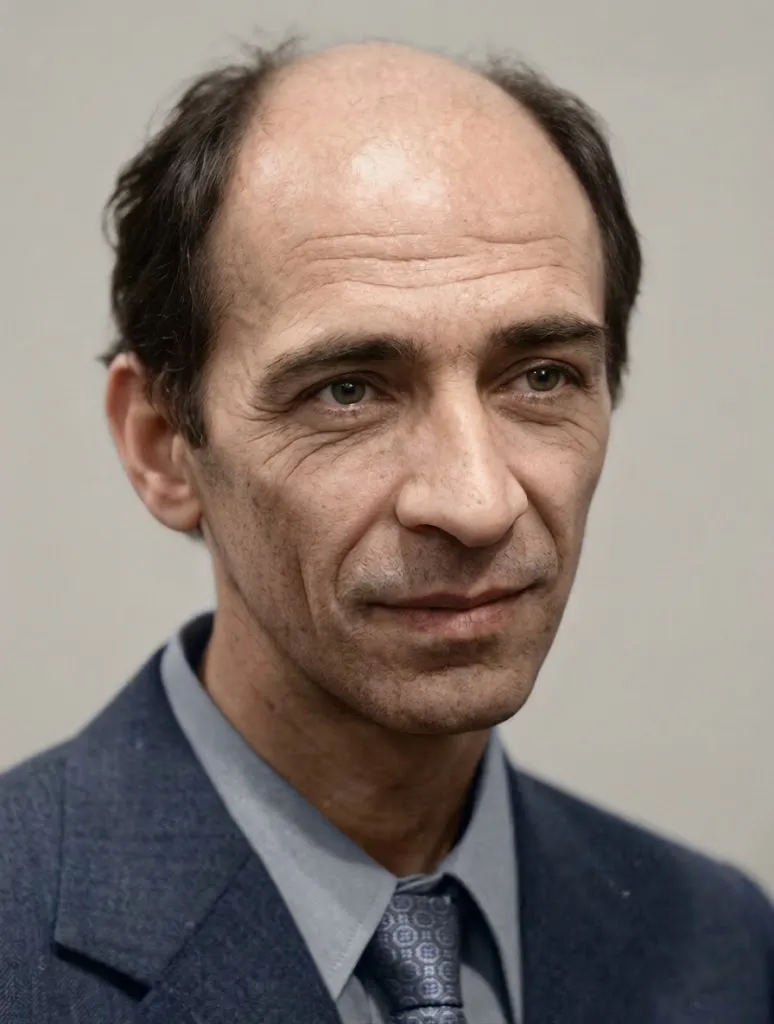
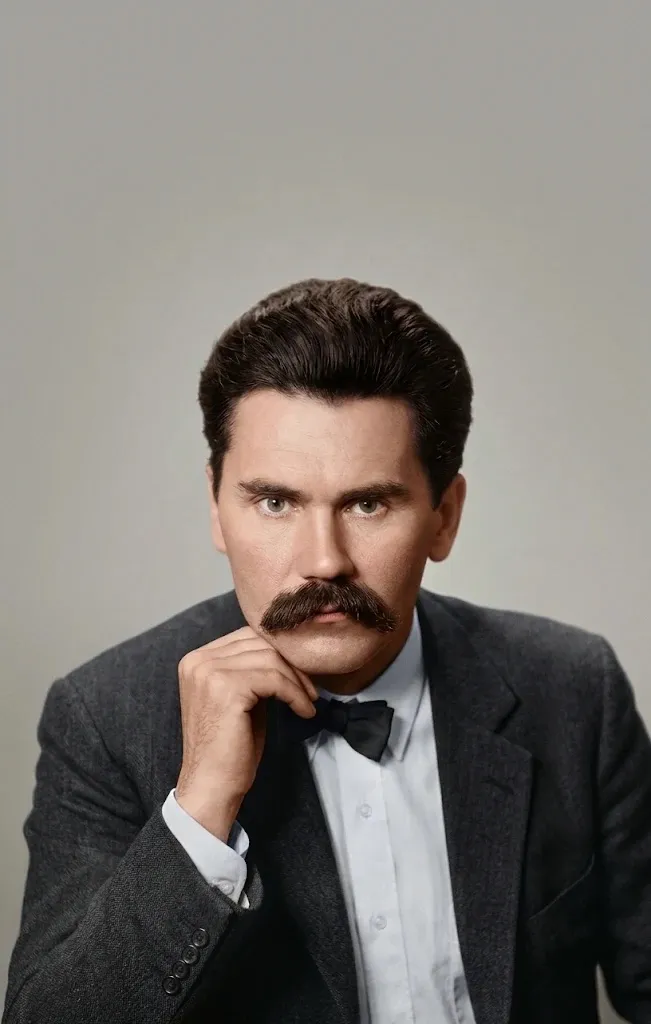
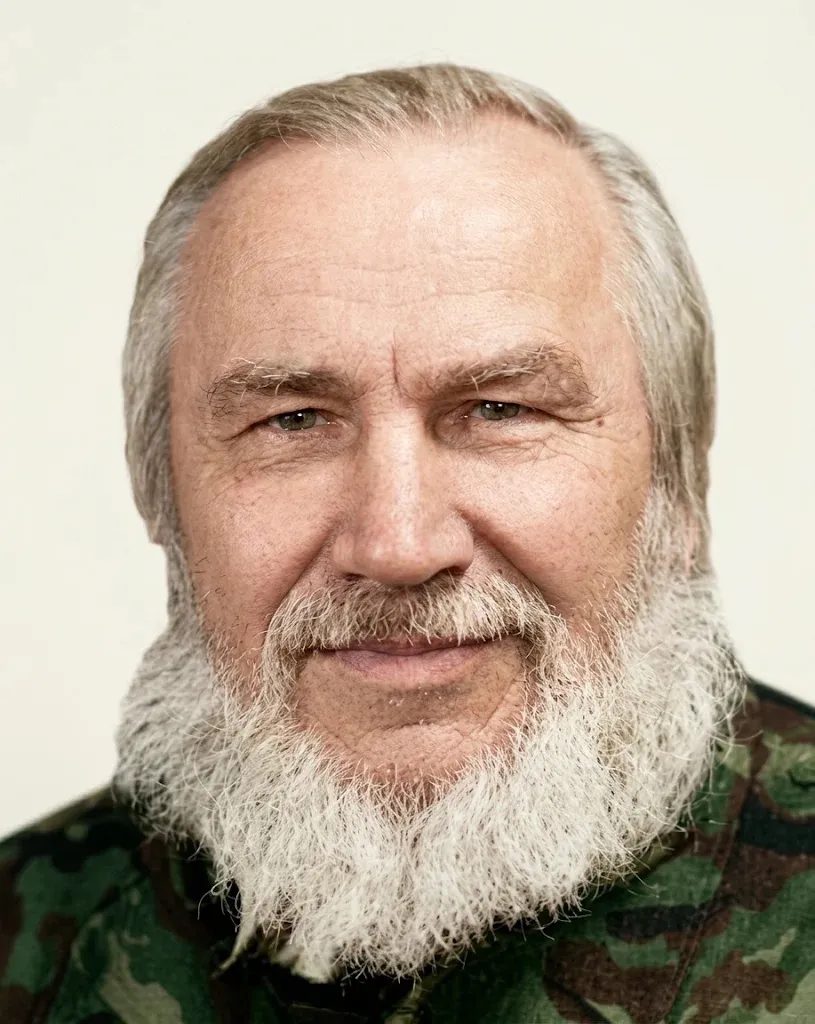
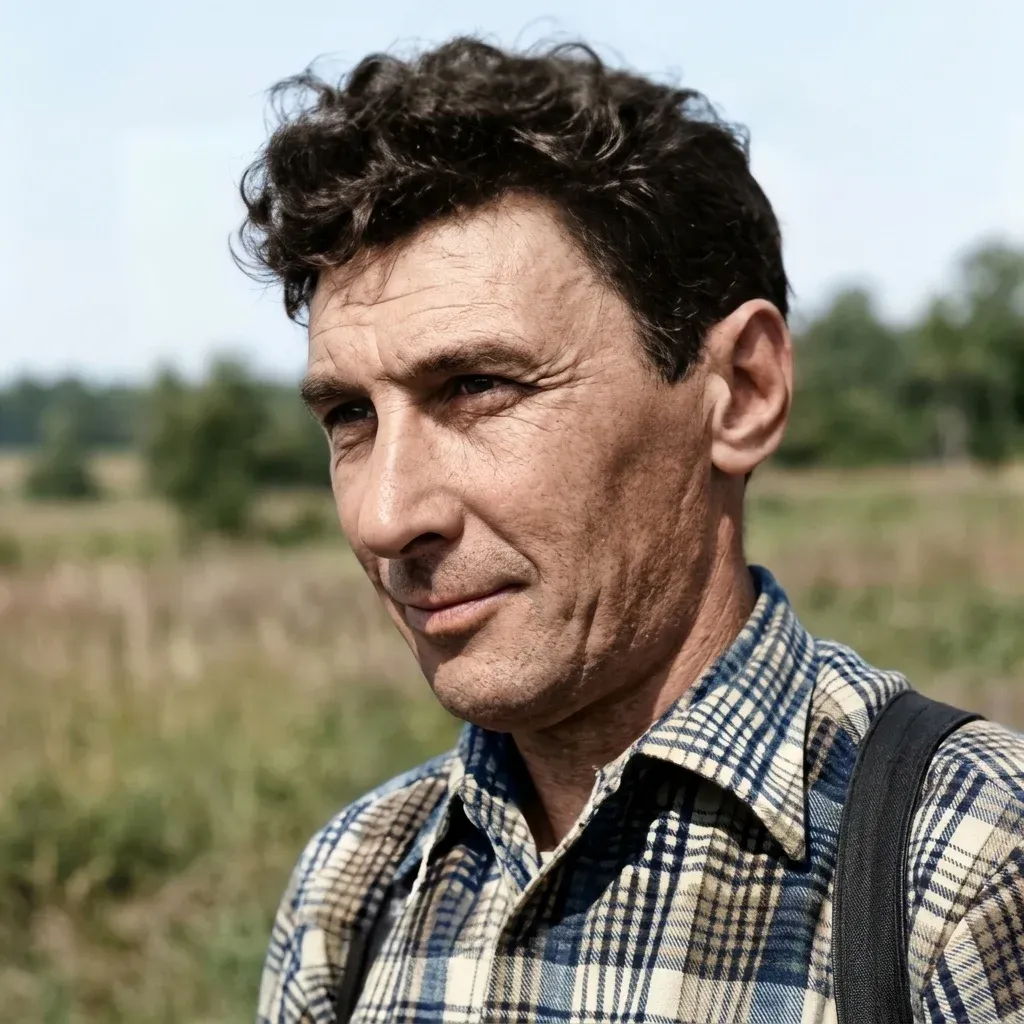
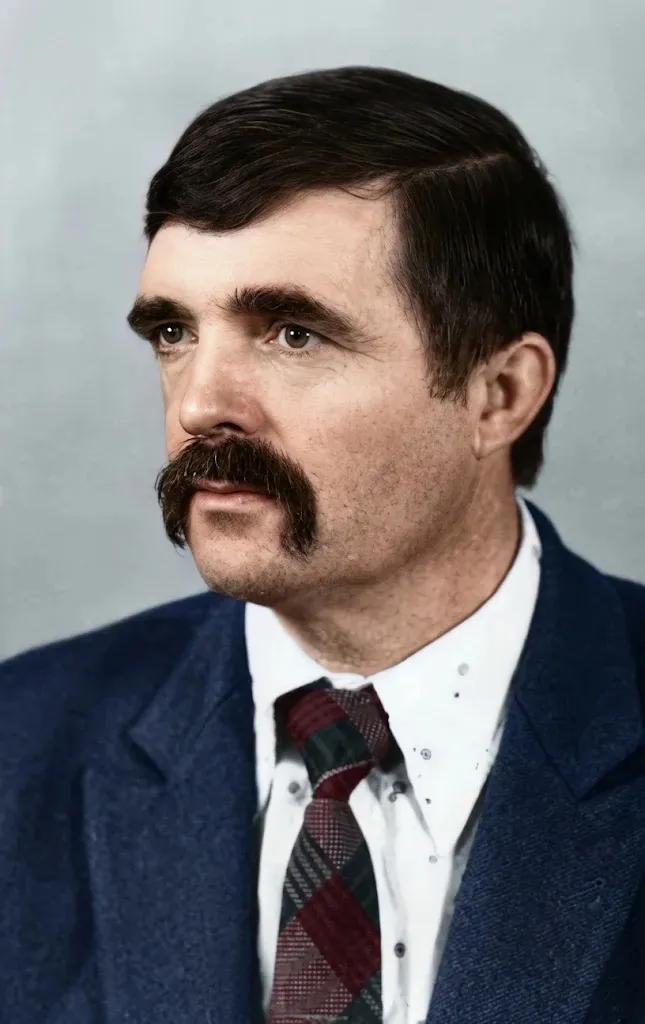
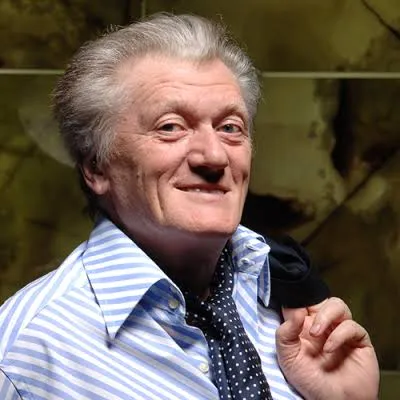
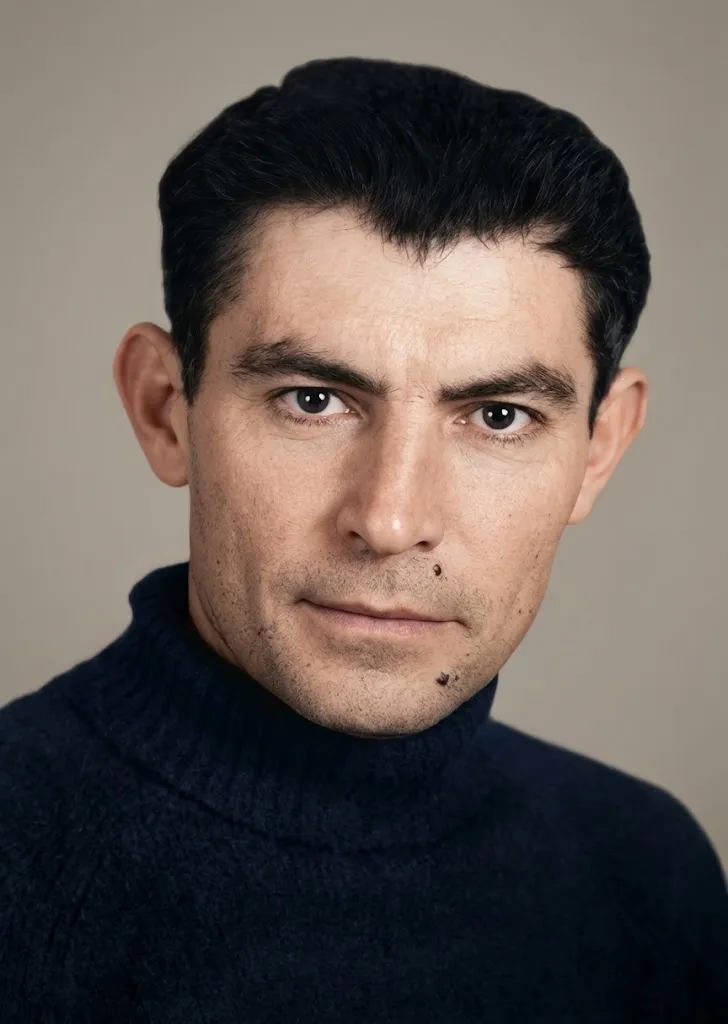
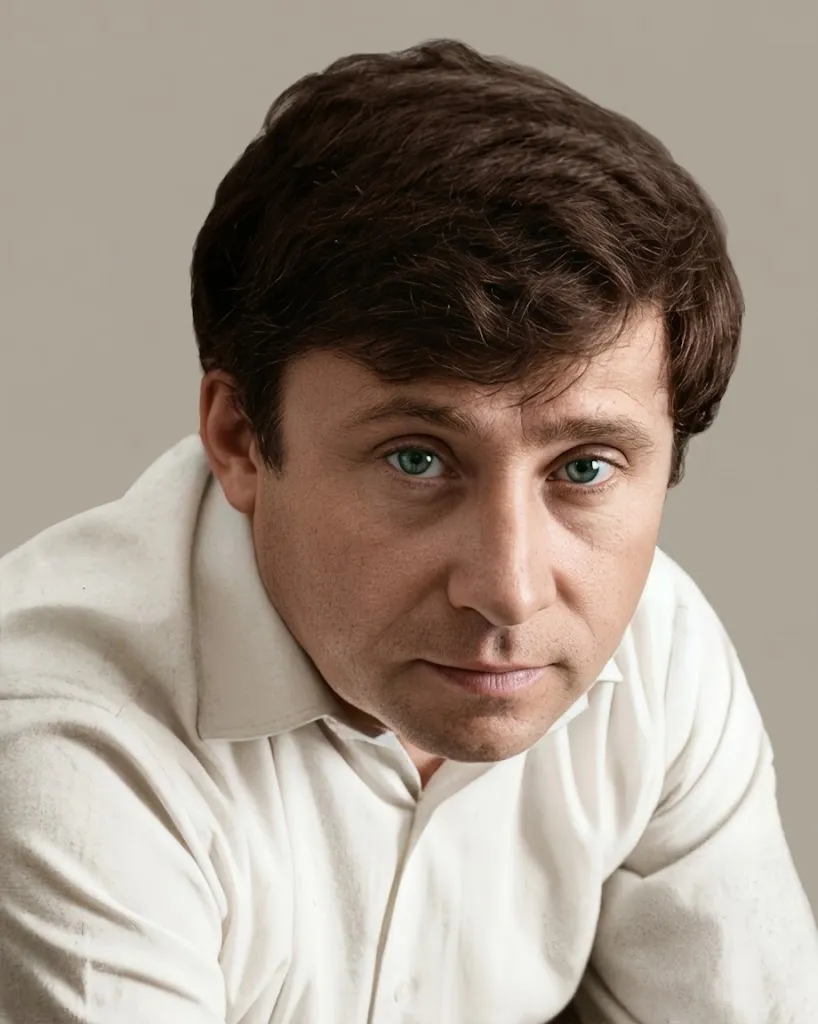
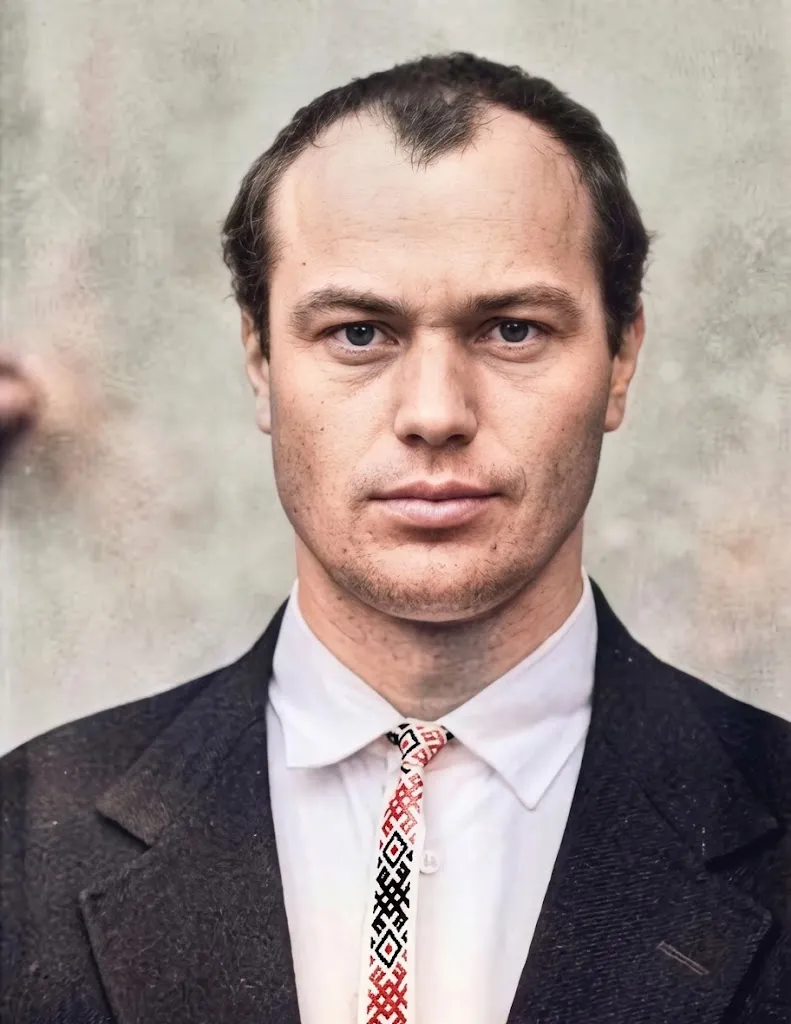
Vasyl Ruban
Kyiv school poet, political prisoner
He made a thousand leaflets calling for an independent Ukraine and gave the investigators no testimony. Vasyl Ruban, a poet of the Kyiv school, went through over six years of prisons and psychiatric hospitals; once free, he stoked a school boiler and wrote a novel about life as a 'special patient'.
Key accomplishments
- Member of the informal Kyiv school of poets, with Mykola Vorobiov, Viktor Kordun and Vasyl Holoborodko
- Author of leaflets calling for an independent Ukraine (1968) and of the samizdat 'Programme of the Ukrainian Communist Party'
- Political prisoner: six years and two months in prisons and the special psychiatric hospitals of Dnipropetrovsk and Kazan (1972–1978)
- Poetry collection Khymera (Chimera, 1989), Vasyl Symonenko Prize (1990)
- Novels Pomyrav urazhenyi proliskom snih (The Snow Died, Struck by a Snowdrop), Na protylezhnomu botsi vid dobra (On the Other Side of Good; Yevhen Malaniuk Prize) and Liubysh - ne liubysh (Loves Me, Loves Me Not); the book Berezha (2005)
- Member of the National Writers' Union of Ukraine (from 1990)
A teachers’ son from near Kyiv
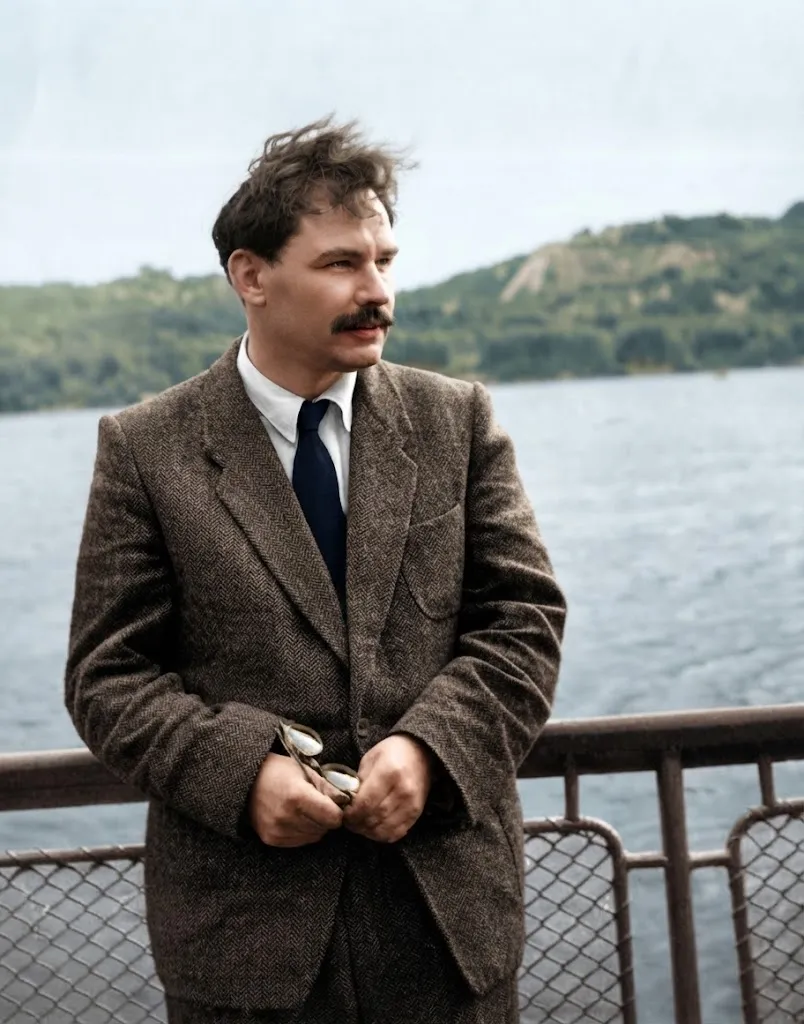
Vasyl Ruban was born in 1942 in Lisnyky, a village just outside Kyiv, to a family of teachers. He finished school in the Zhytomyr region and a cultural-education college in Zhytomyr, served in the army and then went to study Ukrainian philology at Kyiv University. In the capital he was struck by how forcibly Ukrainians were being russified, which he later described in a novel.
Flowers for Shevchenko
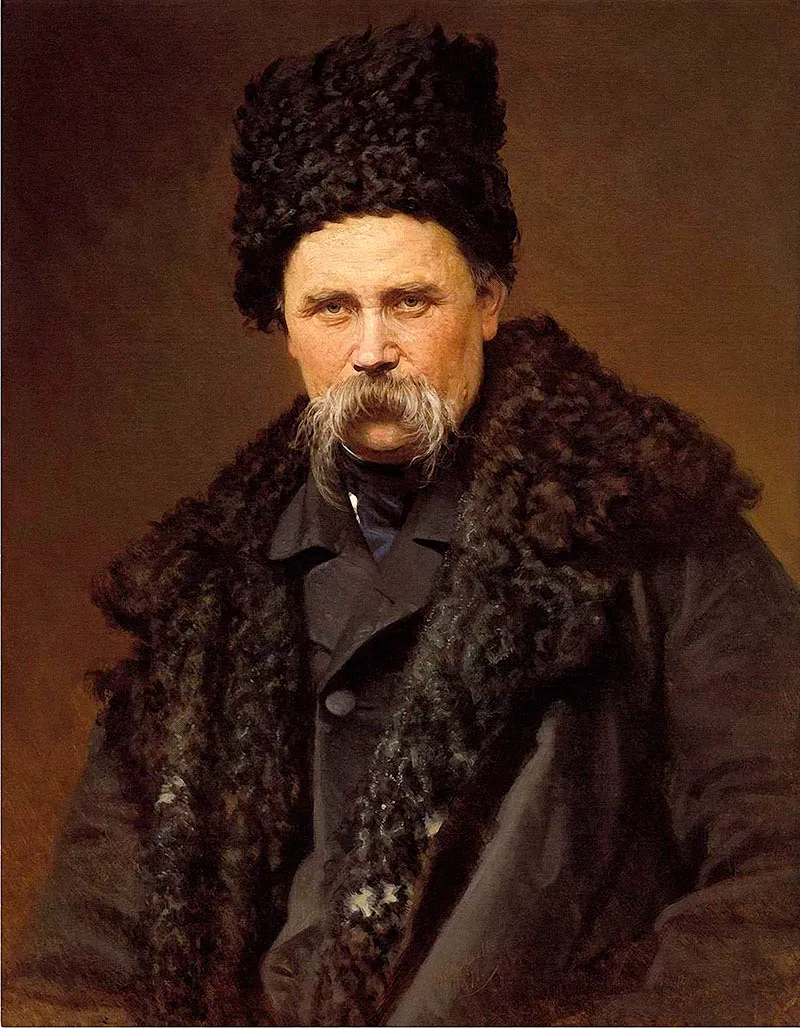
What can a bunch of flowers cost a student? Ruban belonged to a circle of young poets later known as the Kyiv school: Mykola Vorobiov, Viktor Kordun and Vasyl Holoborodko. His poems were printed abroad, in Slovakia and England. He was expelled from the university by the same order as Kordun, and one of the reasons was that he had honoured Taras Shevchenko at his monument in Kyiv on 22 May.
A thousand leaflets
Ruban made a thousand leaflets calling for an independent Ukraine in 1968, and friends helped him scatter them at the university, the Institute for Nuclear Research and the agricultural academy. He was arrested, but let go three days later for lack of evidence. He turned that arrest into his first novel, The Snow Died, Struck by a Snowdrop, and passed it around in samizdat. He also wrote a “Programme of the Ukrainian Communist Party”, which the KGB later tried to pin on Ivan Svitlychnyi, Ivan Dziuba and Yevhen Sverstiuk.
A hospital instead of a prison
During a wave of arrests of Ukrainian intellectuals in 1972, Ruban was arrested again. Sources differ on the charge: “anti-Soviet agitation and propaganda” or even “treason”. He gave no testimony at all. He was declared mentally ill, and the court sent him for compulsory treatment to the Dnipropetrovsk special psychiatric hospital, a real prison with bars and barbed wire. Other dissenters were sent there too, among them Leonid Pliushch, Mykola Plakhotniuk, Anatolii Lupynis and Viktor Rafalskyi. Ruban recalled that patients were injected with insulin, which fills a person with the fear of death. In 1976 he was moved to the special psychiatric hospital in Kazan. In all he spent six years and two months in captivity, and was released in 1978 because his health had sharply declined.
This was not chance but a system. For the regime, psychiatric hospitals became prisons with no end date. The USSR no longer dared to shoot its opponents as it had under Stalin: it told the West there were no political prisoners in the country and branded discontent with the regime as madness. Moscow’s Serbsky Institute gave dissidents an invented diagnosis, “sluggish schizophrenia”, and KGB chief Yuri Andropov pushed through an expansion of the network of special psychiatric hospitals. The case files held in the SBU archive alone cover about a thousand such “patients”.
The stoker who wrote novels
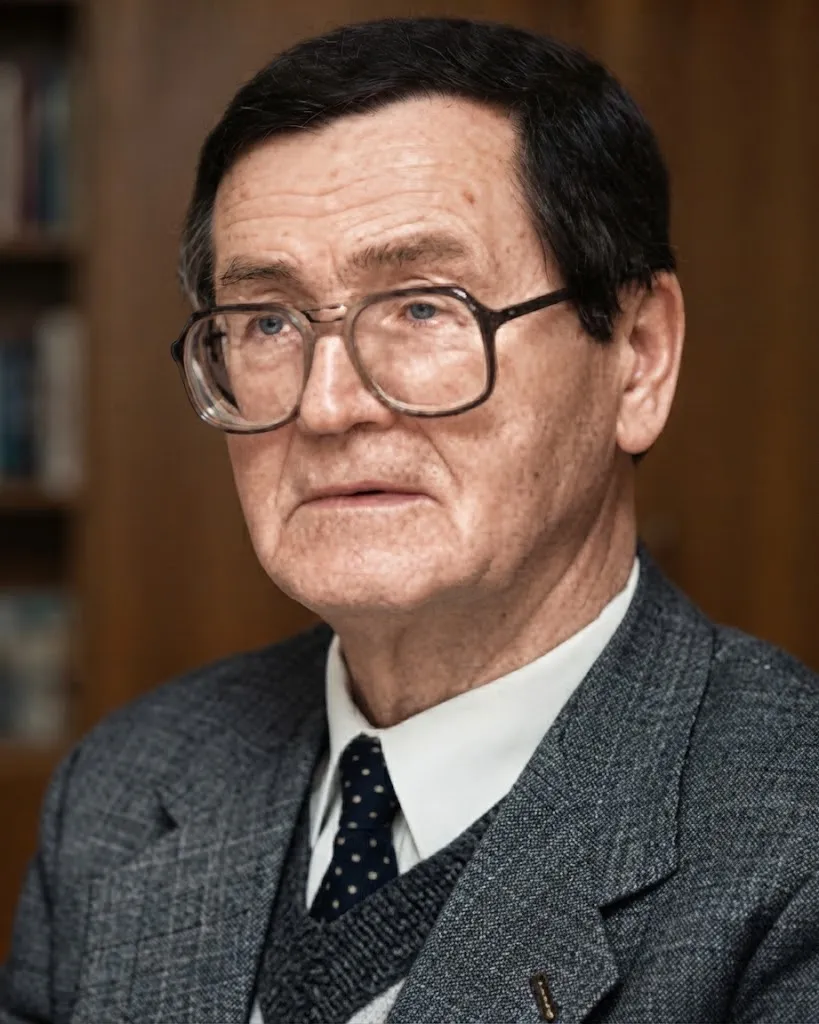
Once free, Ruban was long refused a passport and could not find work in his field. He stoked the boiler at a school and worked as a village club manager in his native Lisnyky, a carpenter and a fitter. His son remembered how surprised his father was when people shook his hand. Only in 1989 did his poetry collection Chimera come out, and in 1990 he joined the Writers’ Union. In the novel On the Other Side of Good he described the daily life of a “special patient” in a psychiatric hospital; in 2015 it came out in full for the first time, together with his novel Loves Me, Loves Me Not. Ruban took part in the Revolution of Dignity and died on 19 November 2017.
Why it matters today
Ruban demanded an independent Ukraine at a time when saying so could get you declared insane. His novel about the psychiatric hospital is a first-hand account of how the Soviet regime turned dissenters into “patients”. He and his fellow poets wrote freely even when no one would print them, and kept the living Ukrainian word going until it could be heard again. His life is a reminder that the independence we have today was won by people who paid for it with years of captivity.