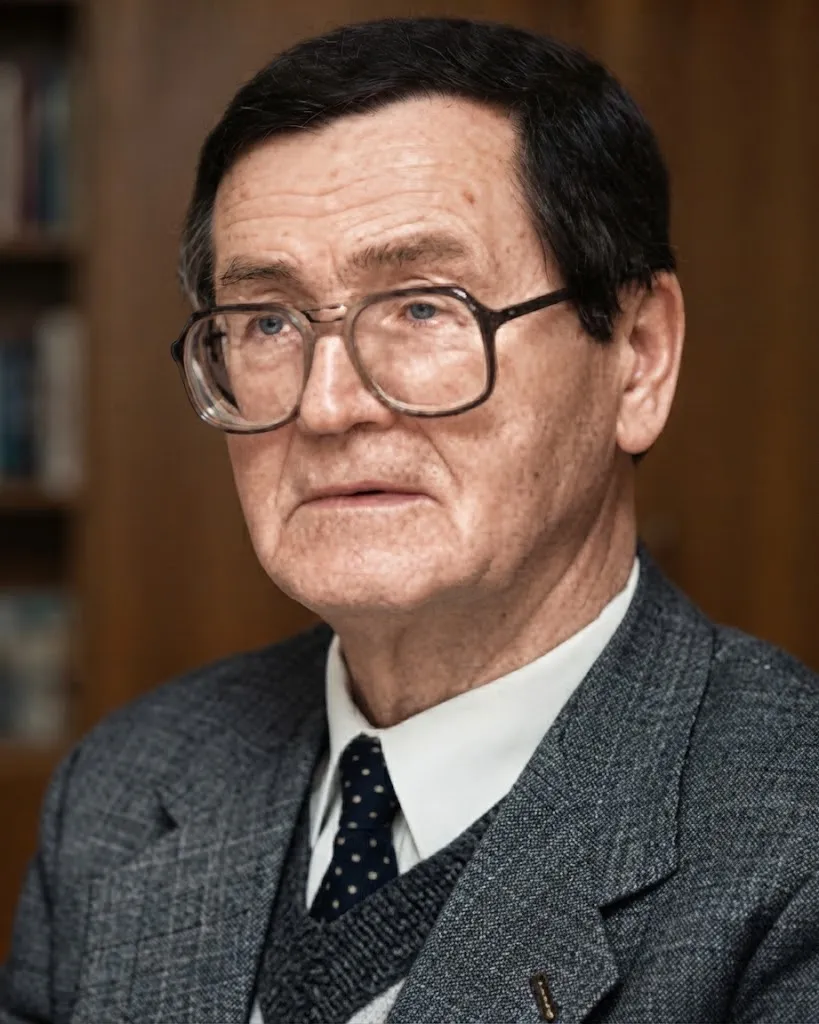
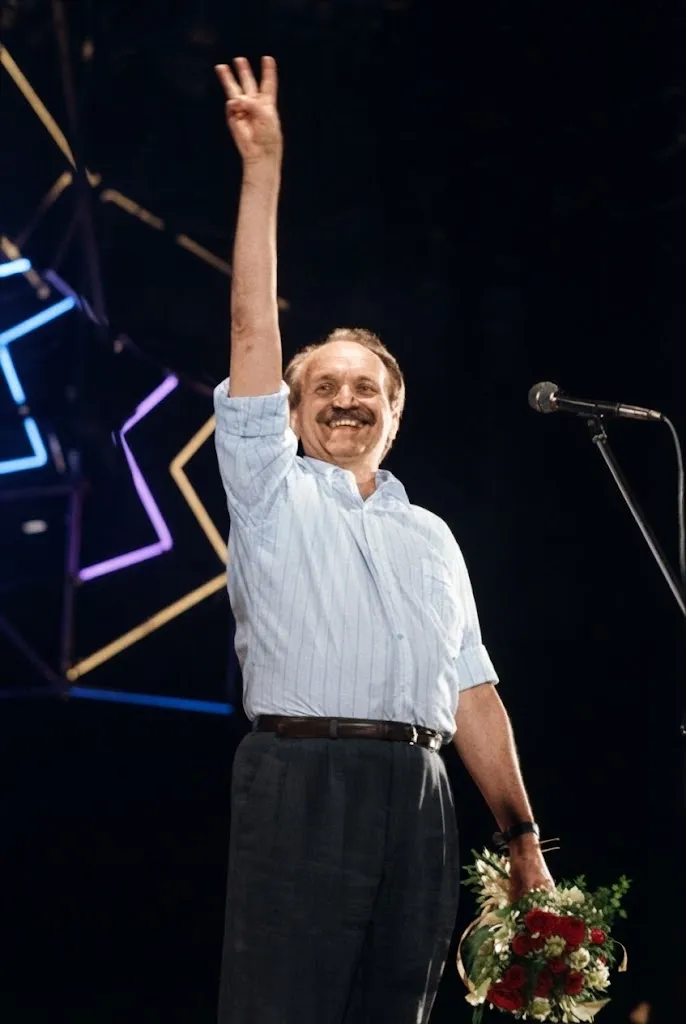
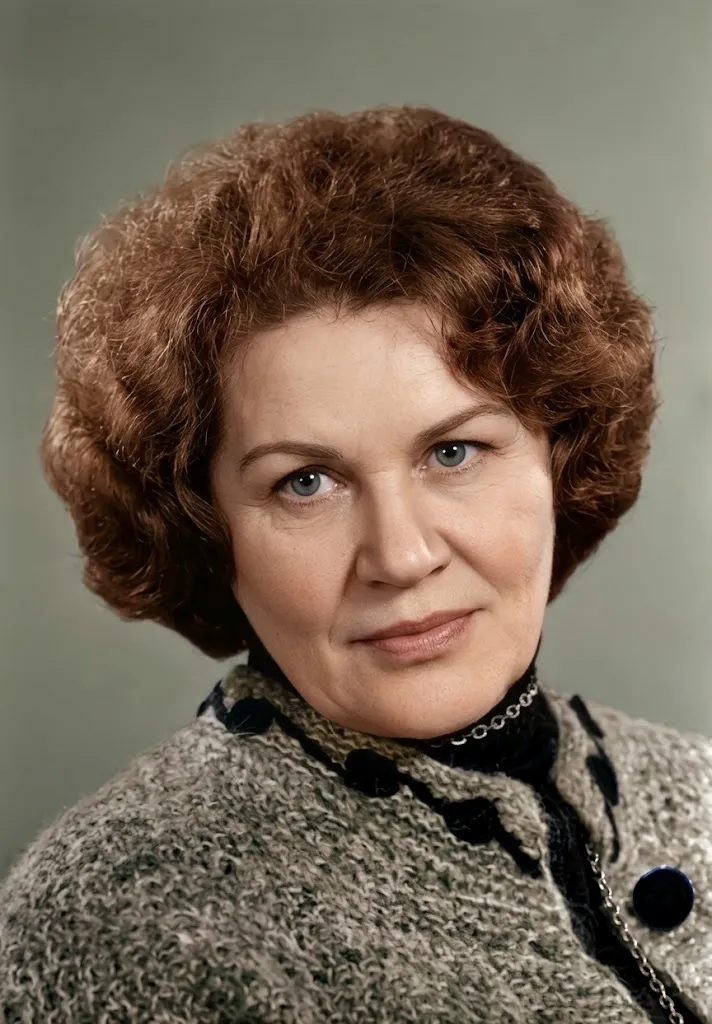
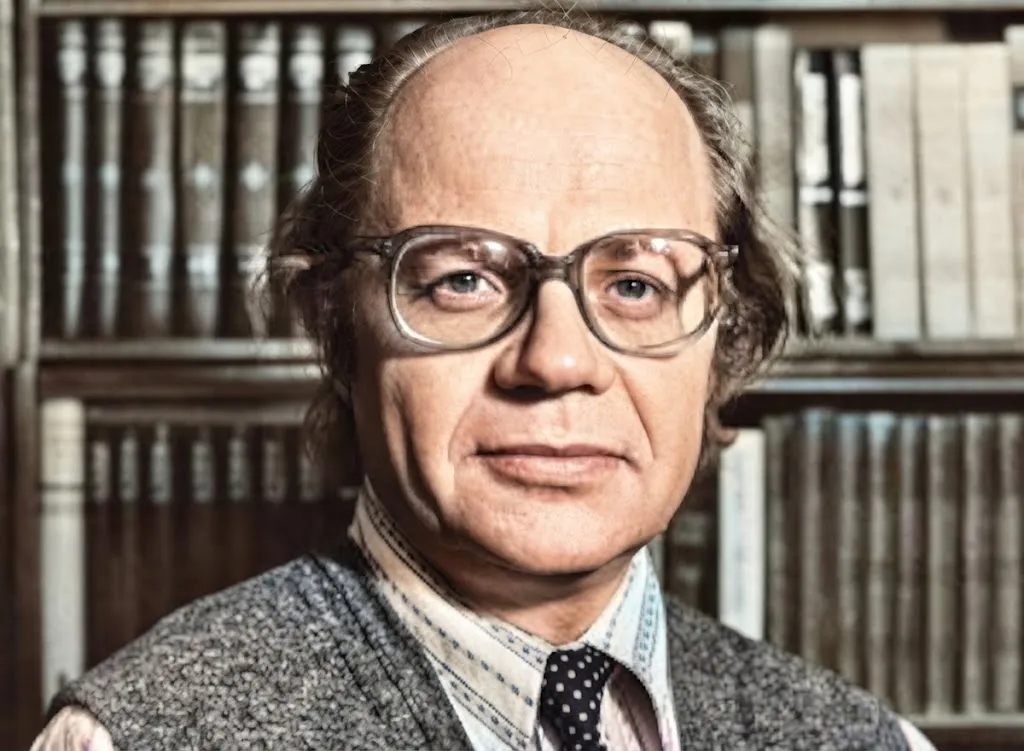
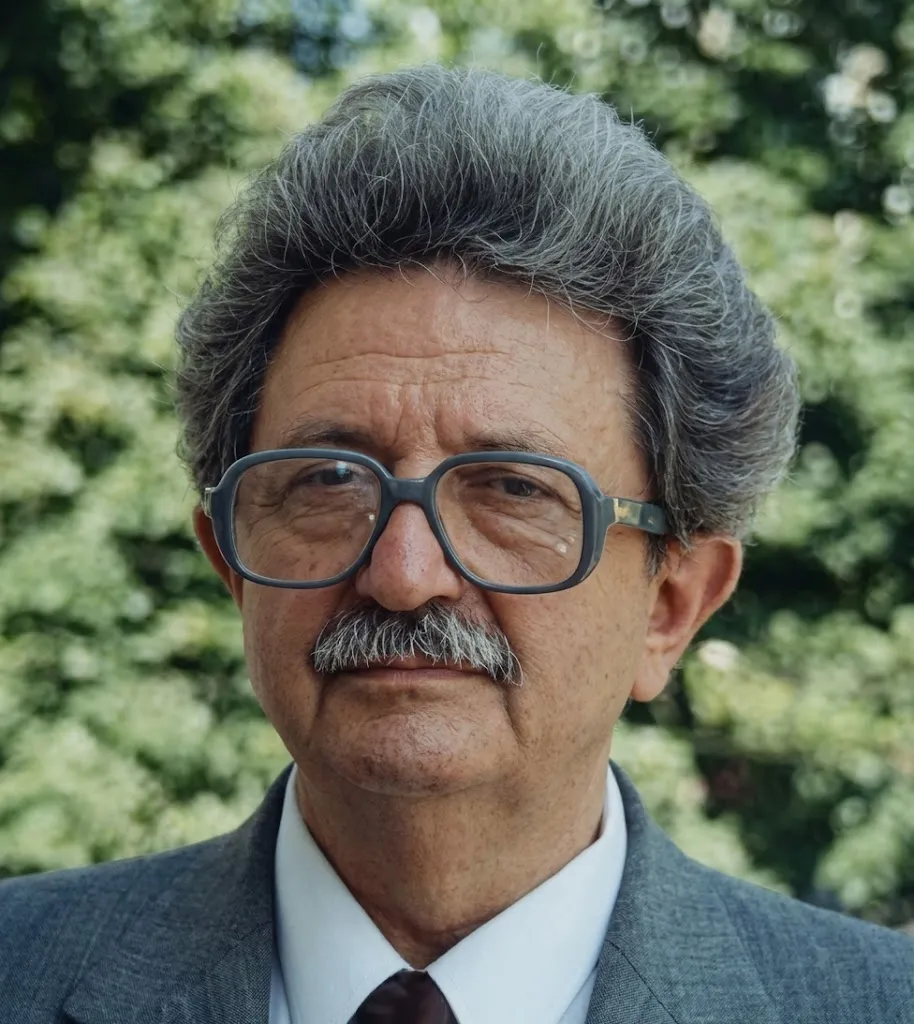
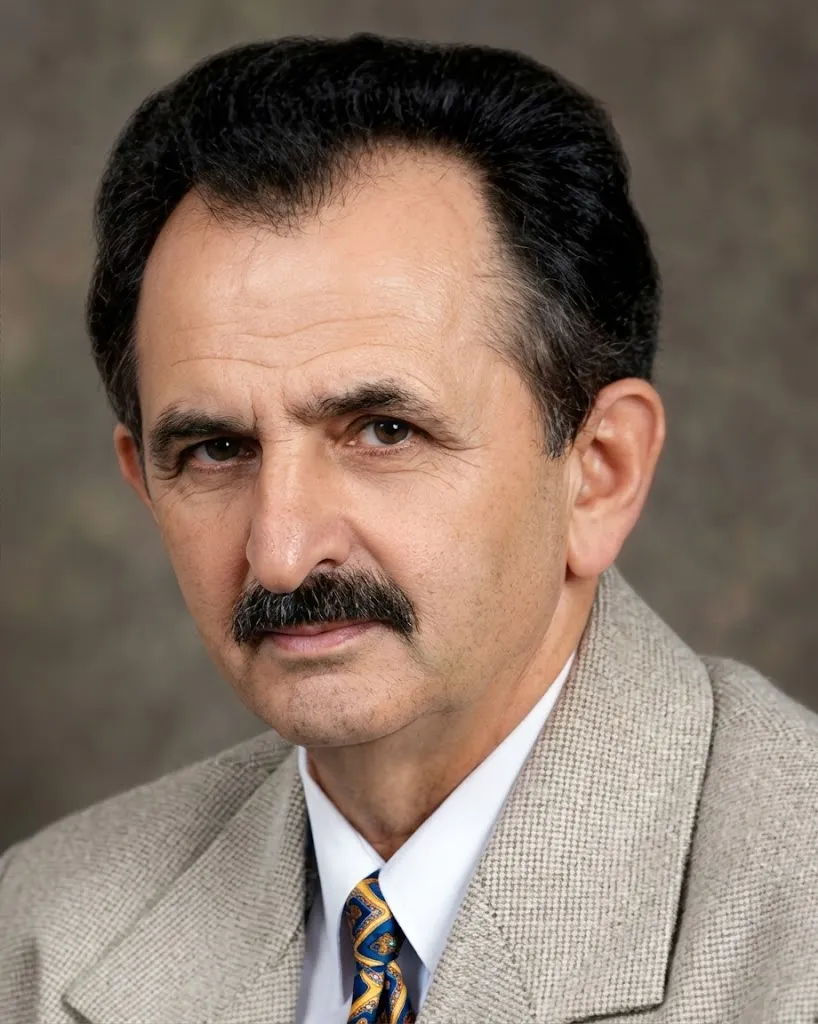
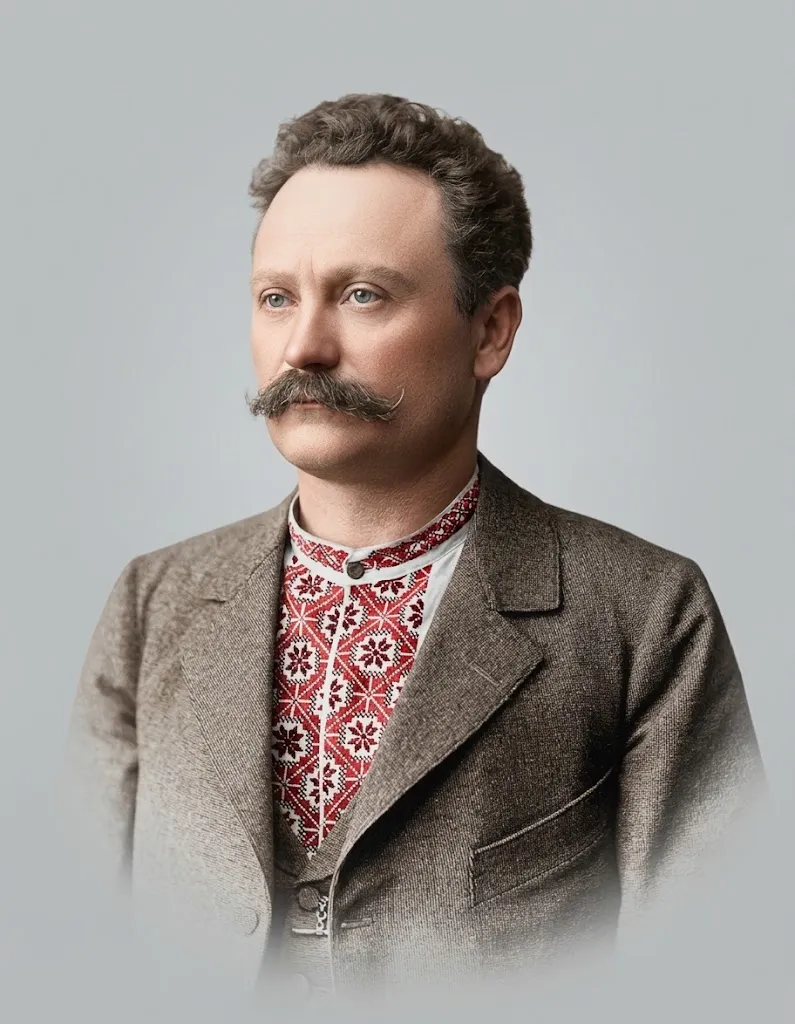
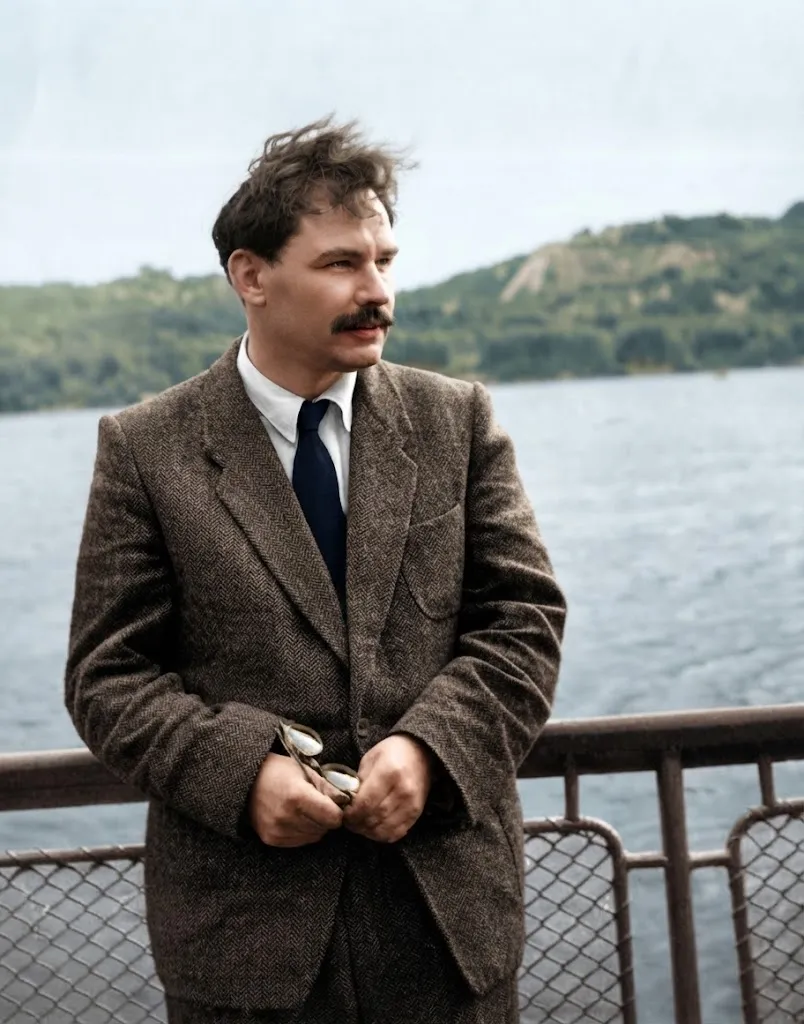
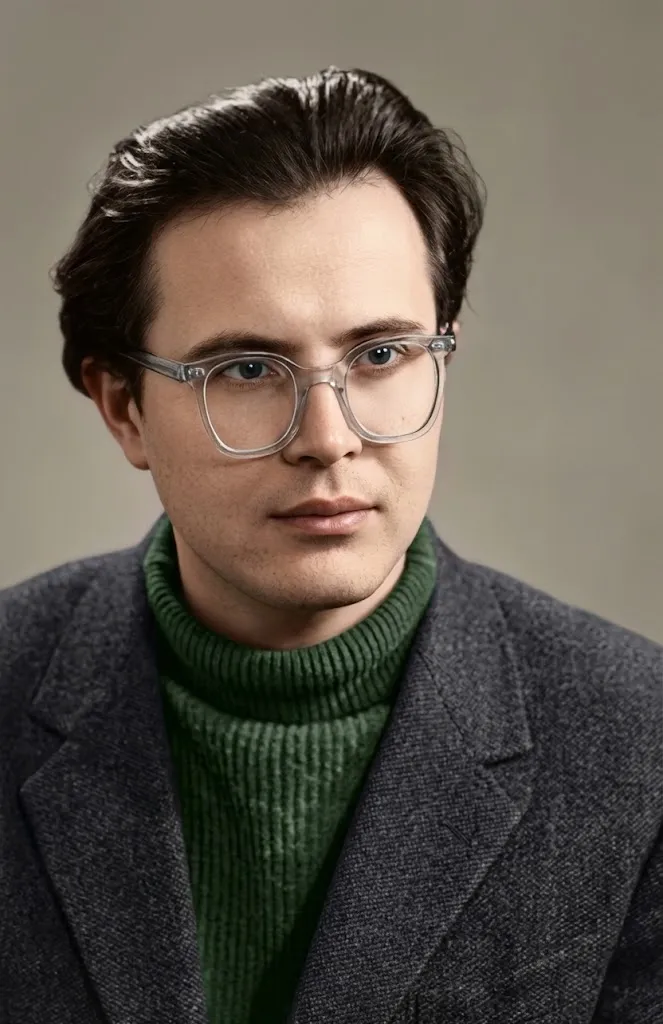
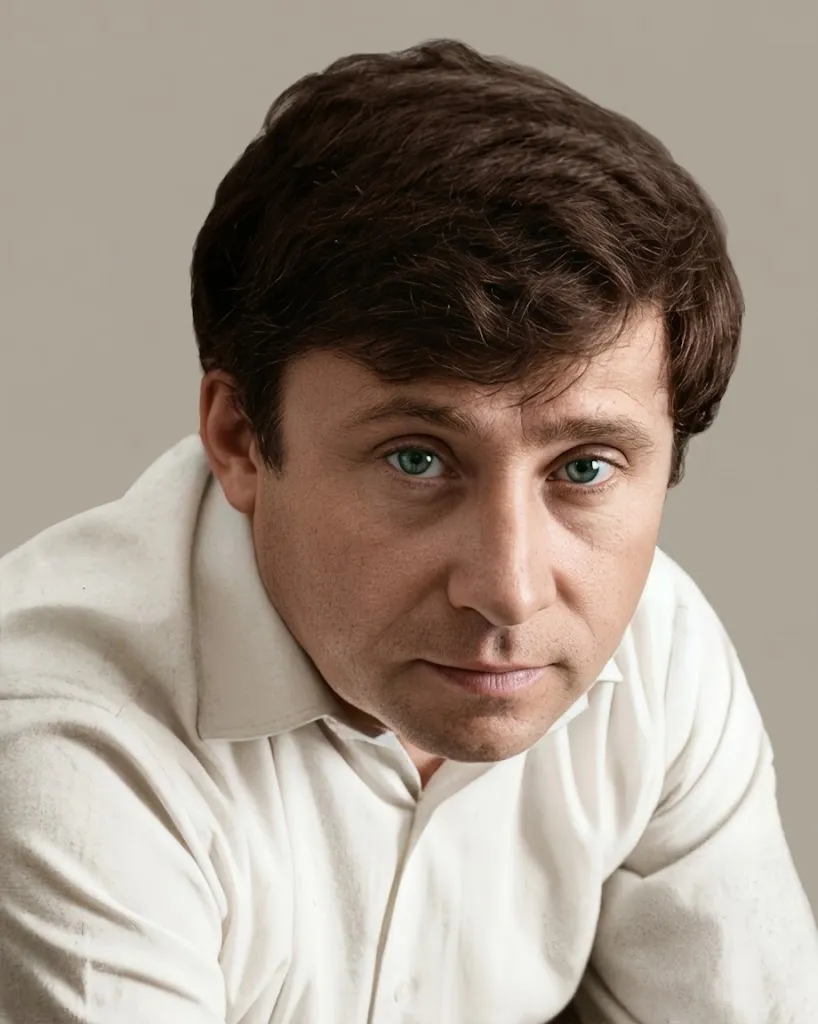
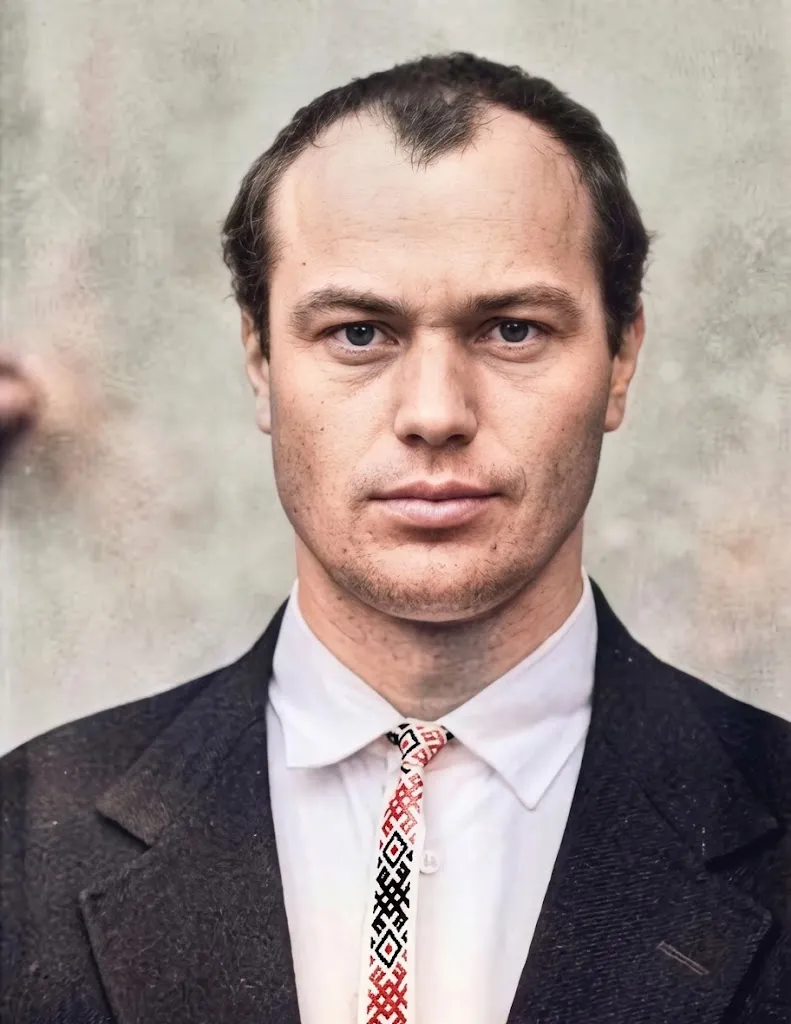
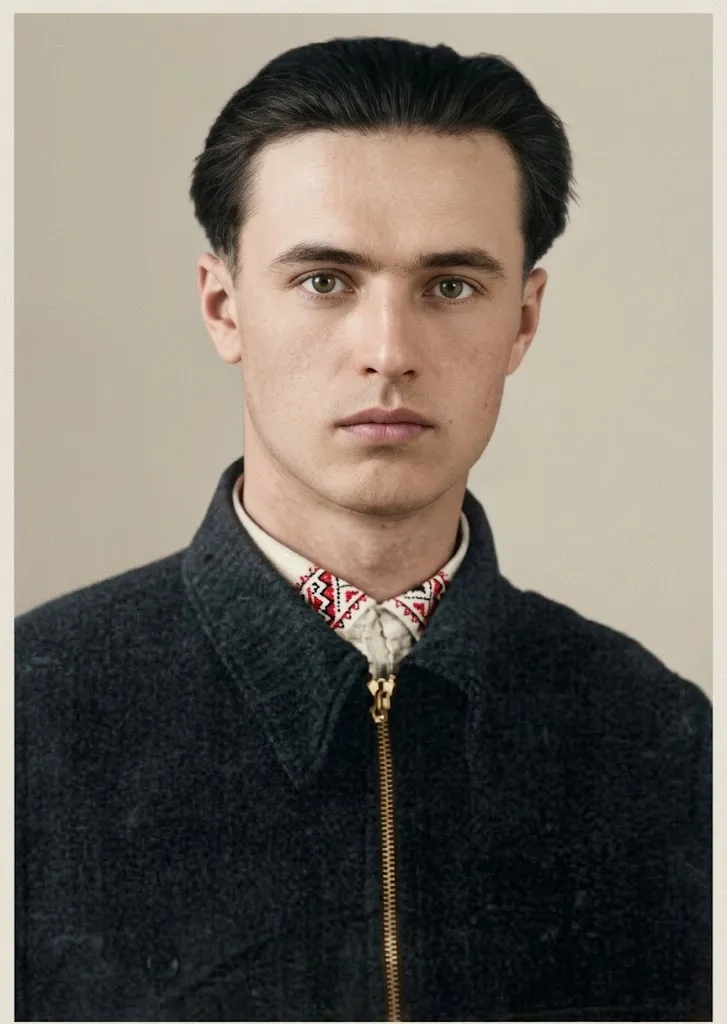
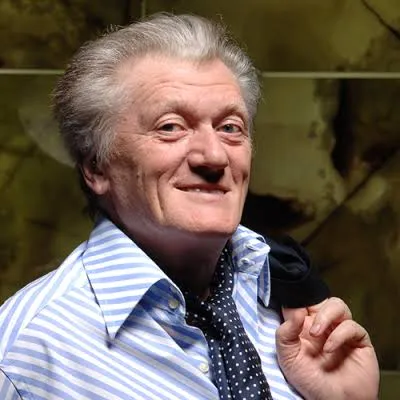
Mykola Kholodnyi
Sixtiers poet and satirist
His collection came out across the ocean with no author's name on it, under the title A Cry from the Grave. Mykola Kholodnyi, a Sixtiers satirical poet read in samvydav, was arrested by the KGB in 1972 and walked out after a letter of repentance that is still debated.
Key accomplishments
- The collection A Cry from the Grave (published anonymously abroad, 1969), which circulated in samvydav
- Poems in the samvydav journal Ukrainian Herald, edited by Viacheslav Chornovil
- The collections The Road to My Mother (1993) and The Mona Lisa's Smile (1995); the poems Chornovil (2001) and In Memory of the 29 (2003)
- Founder of the People's Movement of Ukraine branch in Oster (1989)
- The Volodymyr Sosiura Prize (1998)
A cry from the grave
A slim book of poems with no author’s name came out in 1969 in Baltimore, Paris and Toronto. Its title: A Cry from the Grave. In Ukraine these poems were retyped and passed from hand to hand, and the samvydav journal Ukrainian Herald, edited by Viacheslav Chornovil, called their author the most popular poet in Ukraine. He was Mykola Kholodnyi, already thrown out of Kyiv University. He is considered one of the leaders of the “underground” wing of the Sixtiers: sharp satire on Soviet absurdity set him apart from his generation.
The student who wouldn’t learn to keep quiet
Kholodnyi was born in 1939 into a peasant family in the village of Krasnopillia in the Chernihiv region. In 1961 he entered the philology faculty of Kyiv University and read his poems at the Suchasnyk Club of Creative Youth, at literary evenings, in schools and in houses of culture. Ivan Dziuba praised his first collection, The Red Dream, but at the end of 1962 it was struck from the publisher’s plan. In December 1965, after a sharp speech at a discussion of a novel, Kholodnyi was expelled from the Komsomol and from his fifth year at university.
Poems at the monument
With Lina Kostenko and Ivan Drach, in April 1966 he protested outside the Lviv regional court, where Mykhailo and Bohdan Horyn were on trial. In May, on the 50th anniversary of Ivan Franko’s death, he read his “Franko’s Monologue” at Franko’s monument in Kyiv. For that he and three other young men got 15 days in Lukianivka prison. There they went on hunger strike, and were force-fed. Afterwards Kholodnyi was banished from Kyiv. He was fired from one job after another, but in 1968 he still earned his degree from Odesa University.
The arrest and the letter
The KGB arrested Kholodnyi on 20 February 1972, in the wave of arrests of Ukrainian intellectuals. The main charge was A Cry from the Grave. The investigator threatened him with a psychiatric examination. On 7 July 1972 the newspaper Literaturna Ukraina printed a letter under his name, “On the Scales of Conscience”, in which the author supposedly renounced his “politically erroneous verses” and the people who had pushed him into an “anti-Soviet quagmire”. Kholodnyi was released without trial. He was later called as a prosecution witness at the trials of Zinovii Antoniuk and Ivan Svitlychnyi.
Restless Oster
Kholodnyi taught in Vinnytsia, where in 1974 he and local writers founded the Ustym Karmaliuk Studio, which was crushed at once. From 1976 he lived in Oster in the Chernihiv region, and there too he was dismissed again and again: from the local history museum, from schools. In 1982 he was accused of destroying a statuette of Lenin and a portrait of Brezhnev and locked in a psychiatric hospital for 10 days. In 1989 he set up a branch of the People’s Movement of Ukraine in Oster, and in June 1991 he was rehabilitated. His first collection in Ukraine, The Road to My Mother, came out only in 1993, the year he joined the Writers’ Union. Mykola Kholodnyi died at home in Oster in 2006, in circumstances never explained; sources give dates from mid-February to March. He is buried in Oster.
Debates and assessments
The letter “On the Scales of Conscience” is still judged in different ways. Some scholars hold that it was fabricated by the KGB. Samvydav reports at the time said the letter not only repented but also named the people through whom he had supposedly fallen under a harmful influence, and that the prosecution at the 1972 trial of Vasyl Stus relied largely on the testimony of Kholodnyi and one other witness. Other biographers stress that at the trials of Antoniuk and Svitlychnyi he tried to protect the defendants. Some contemporaries accused him of earning his mild treatment by informing; the poet reportedly answered that he had had to give the investigators information, but only about people who were already being persecuted or whom he could no longer help or harm. In 2019, in the pages of the same Literaturna Ukraina, one author wrote that Kholodnyi had lost his honour out of a thirst for fame and comfort, while another replied by recalling four arrests, Lukianivka prison, five months in a KGB detention centre and banishment, and urged readers not to judge the poet after his death. The literary scholar Tetiana Urys writes that in the conditions of that time it is hard to separate the white from the black.
Why it matters today
Mykola Kholodnyi showed that laughter can be a weapon: his satire on Soviet absurdity was retyped and passed from hand to hand when printing it was forbidden. For those poems he was thrown out of university, out of Kyiv and out of job after job, and he kept on writing. His story honestly shows both the price the regime demanded of poets and how hard it was to hold firm under interrogation. Poems that once circulated in secret now belong to everyone in a free Ukraine. Anyone who dares to laugh at the lies of those in power carries on the work of the samvydav poets of the 1960s.