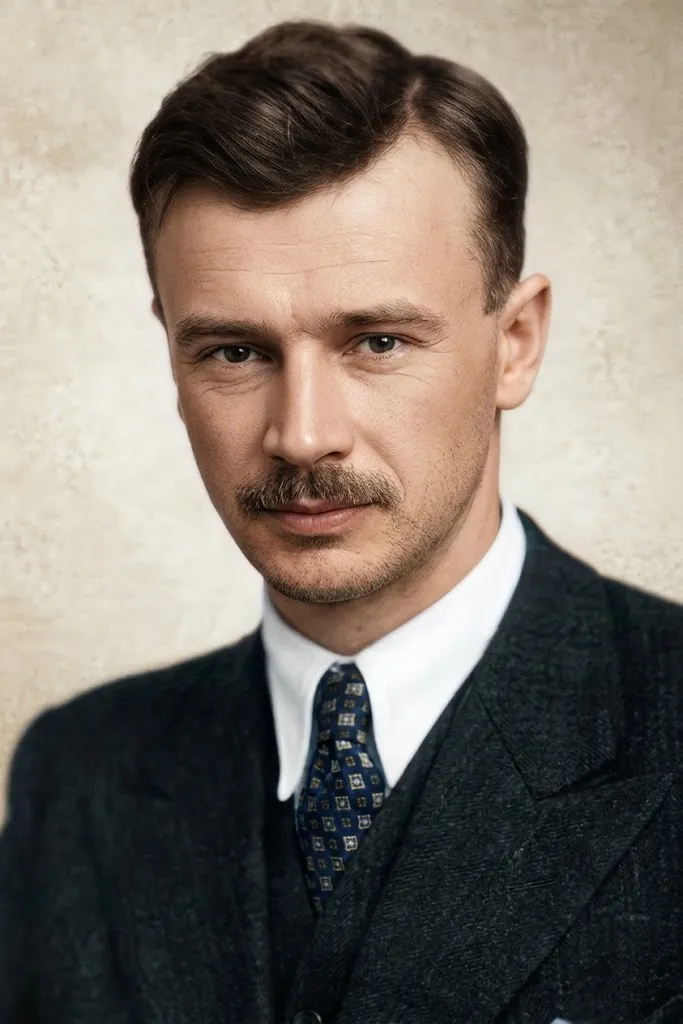
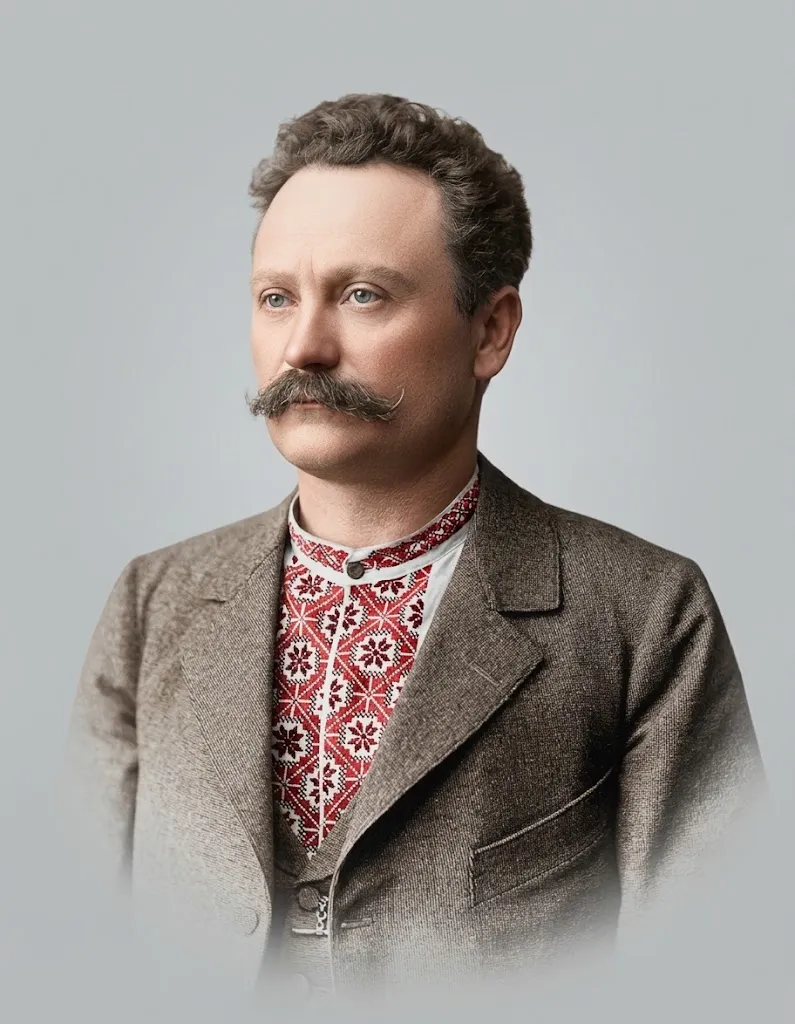
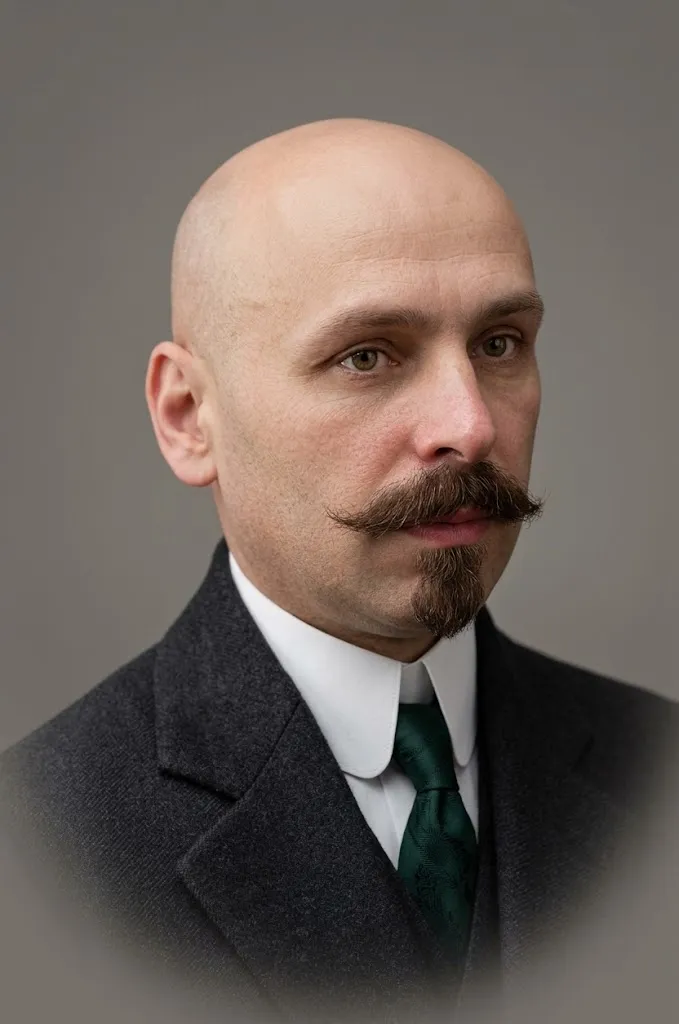
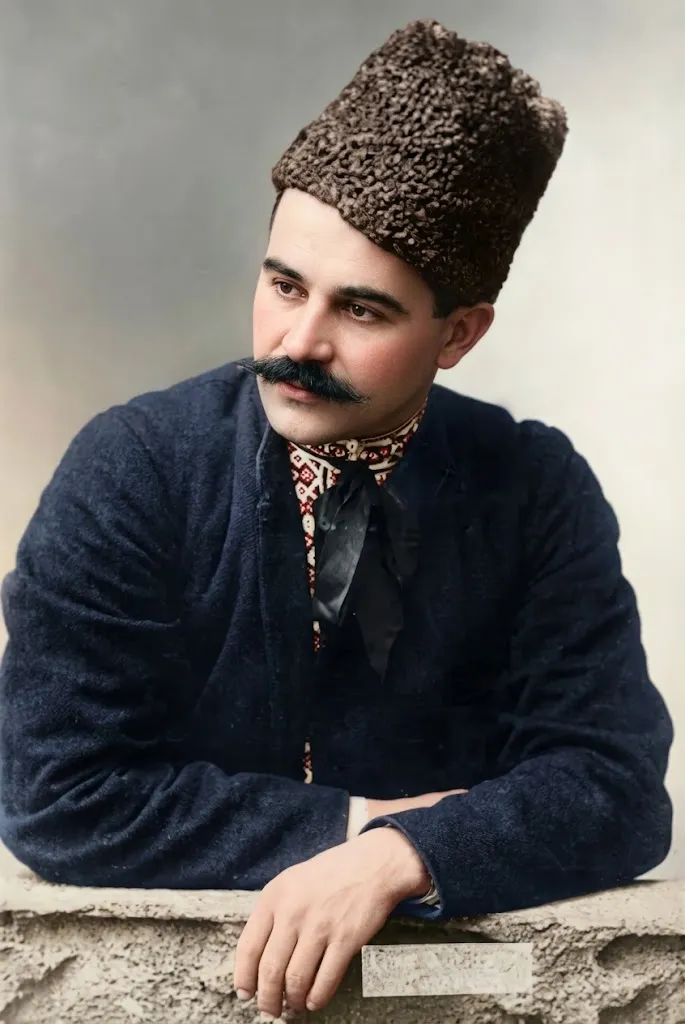
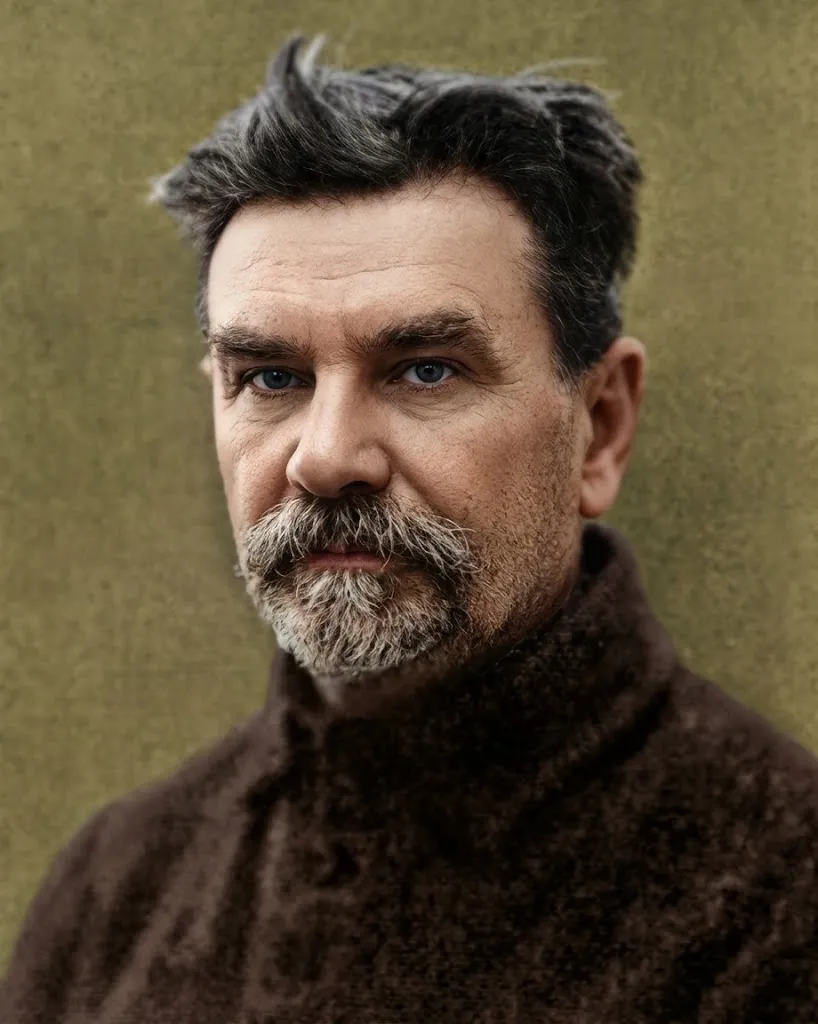
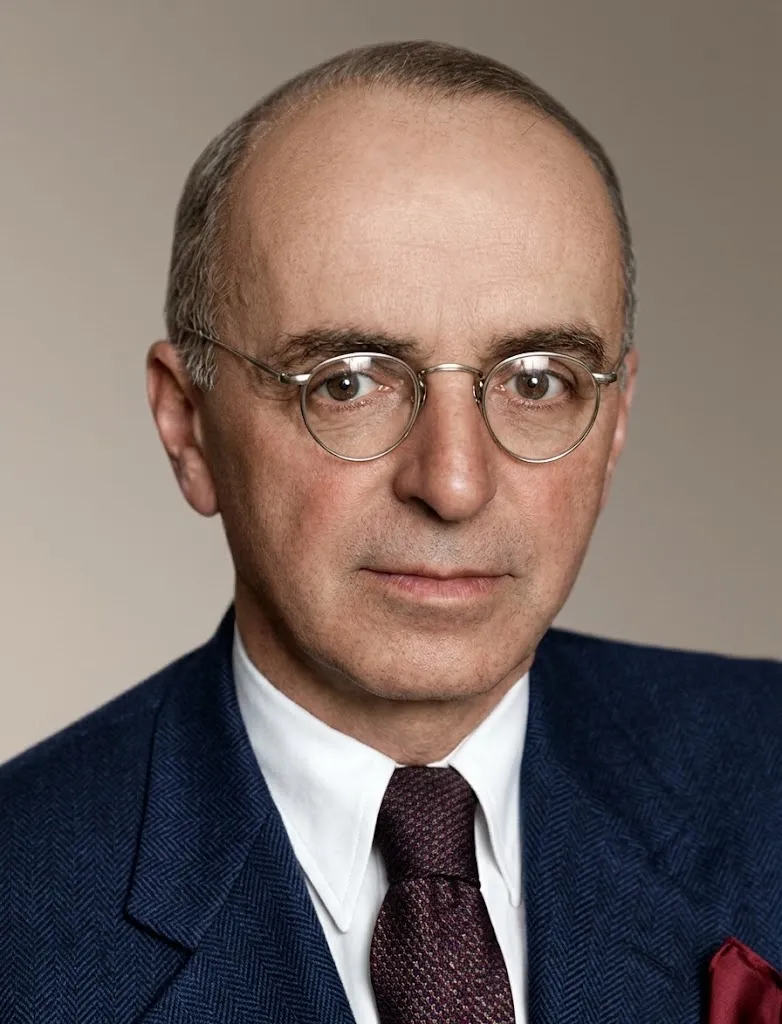
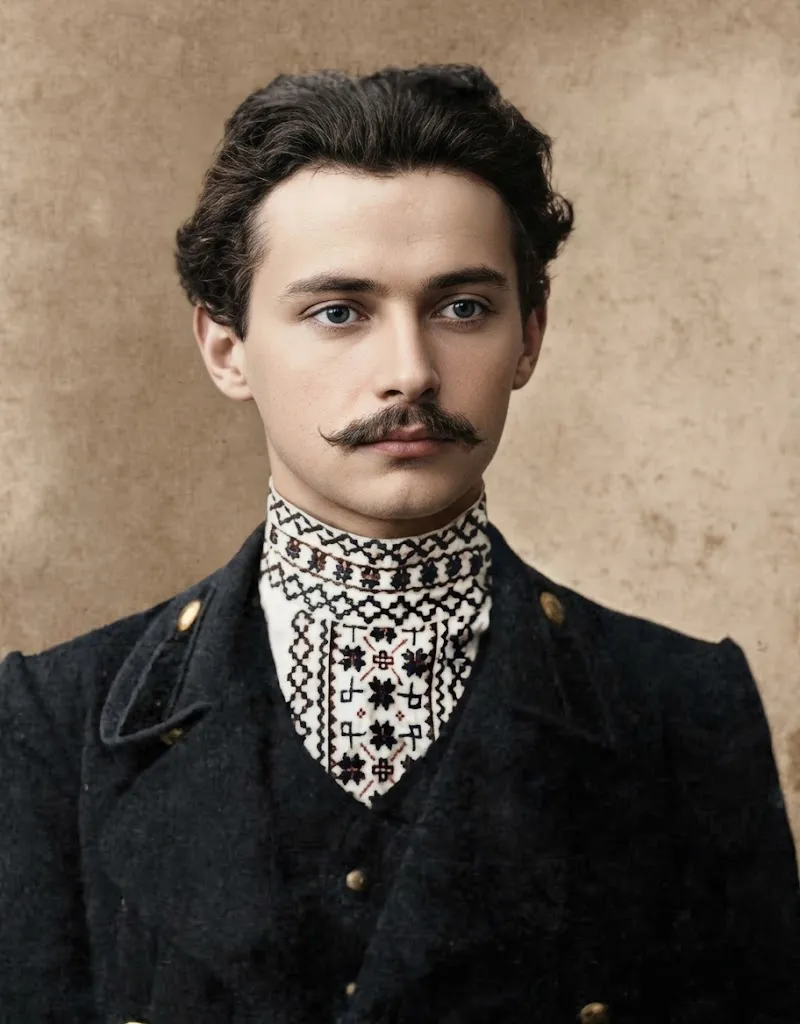
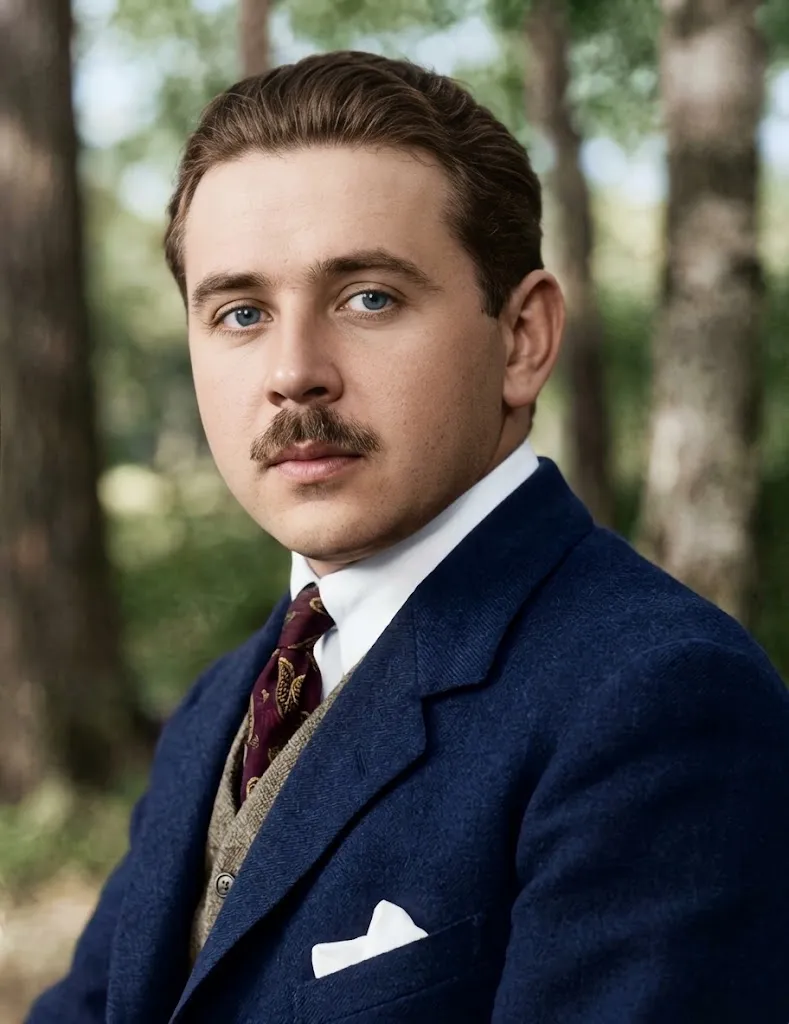
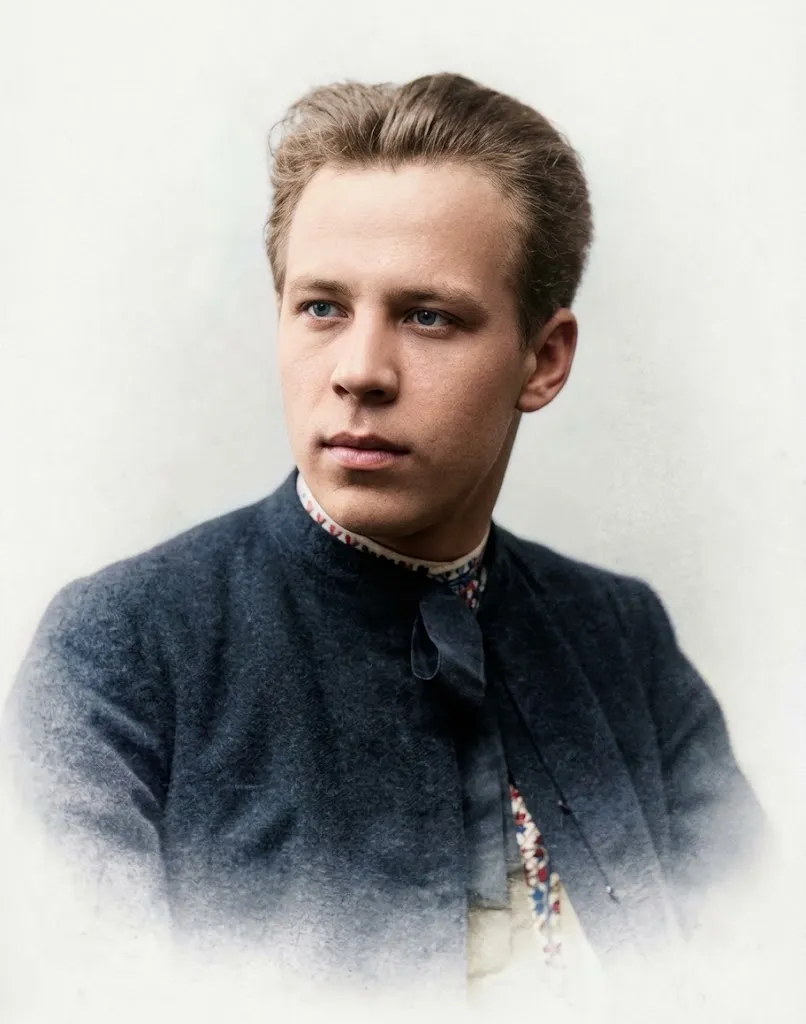
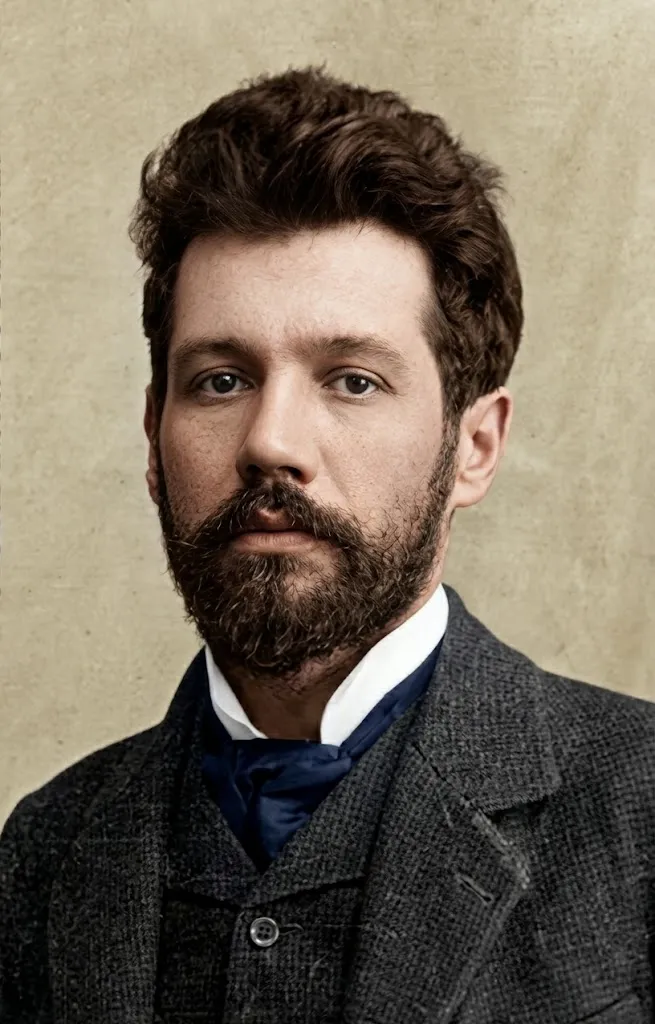
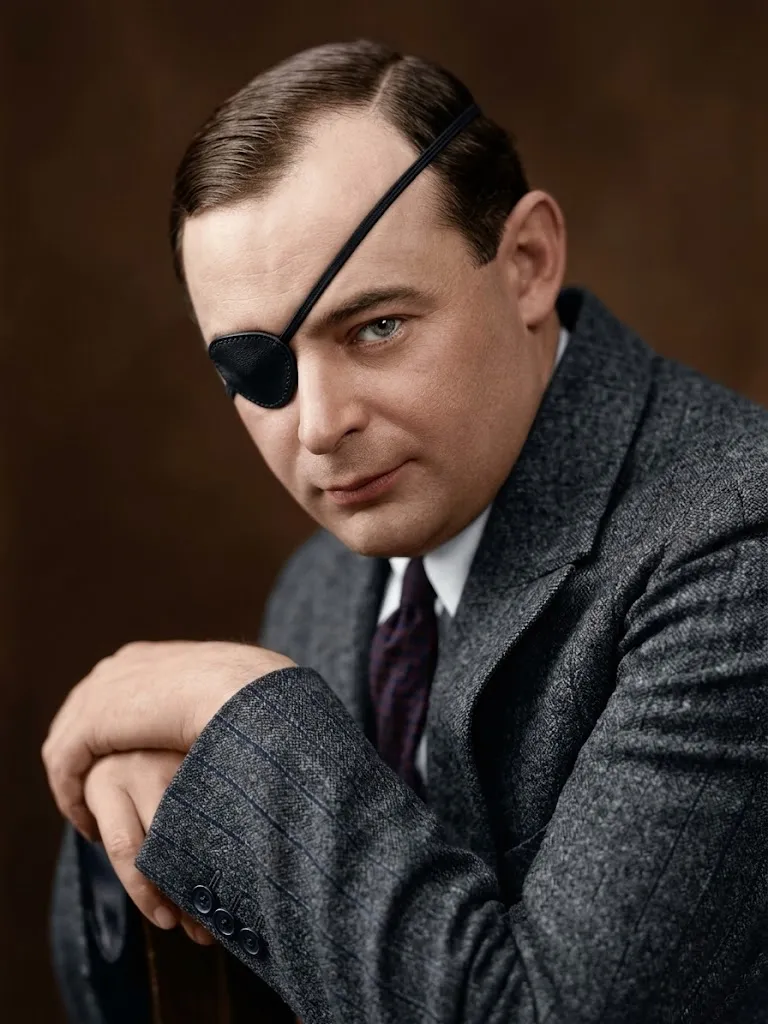
Oleksandr Oles
Lyric poet, UNR cultural attaché
A poet who wrote about Ukraine from abroad for a quarter of a century. Oleksandr Oles (born Kandyba) became famous in 1907 with the collection With Sorrow Joy Embraced; in 1919 he went to Budapest as a UNR attaché and never came home in his lifetime.
Key accomplishments
- The collection Z zhurboiu radist obnialas (With Sorrow Joy Embraced, 1907), which made his name, followed by several more books of Poems before 1917
- Cultural attaché at the UNR embassy in Hungary (1919); in Vienna, editor of the journal Na perelomi and head of the Union of Ukrainian Journalists
- Émigré collections Chuzhynoiu (In a Foreign Land) and Komu povim pechal moiu (To Whom Shall I Tell My Sorrow), and the historical poems Mynule Ukrainy v pisniakh: Kniazhi chasy (1930)
- Tales and plays for children written in exile: Zlydni, Solomianyi bychok (The Straw Bull, 1927) and Mykyta Kozhumiaka (1929)
- Translations: Henry Longfellow's The Song of Hiawatha (1912), Wilhelm Hauff's Tales (1911) and Arabian tales
- The play Zemlia obitovana (The Promised Land, 1935), about the destruction of the Krushelnytskyi family in Soviet Kharkiv
- Poems set to music by Mykola Lysenko, Kyrylo Stetsenko, Yakiv Stepovyi and Stanislav Liudkevych
The vet who became a poet
Who would guess that one of Ukraine’s tenderest lyric poets earned his living as a vet? Oleksandr Kandyba was born in 1878 in Bilopillia, in today’s Sumy region, into a family of poor gentry. He trained at the Kharkiv Veterinary Institute and from 1909 worked as a vet in Kyiv. A trip to Poltava in 1903 changed his path: at the unveiling of a monument to Ivan Kotliarevskyi he met Lesya Ukrainka, Borys Hrinchenko and Mykhailo Kotsiubynskyi.
A name from the woman he loved
The usual story is that “Oles”, a fond form of Oleksandr, was what Vira Svadkovska, whom he married in 1907, called him, so he signed his poems with it. His first collection, With Sorrow Joy Embraced, made him famous in 1907. Ivan Franko praised how musical his verse was.
Poems that became songs
Mykola Lysenko, Kyrylo Stetsenko, Yakiv Stepovyi and Stanislav Liudkevych all set his words to music. Only Shevchenko is thought to have had more. His lyrics also shaped the younger Pavlo Tychyna.
An attaché without a homeland
Oles hailed the revolution of 1917, but the needless bloodshed left him disillusioned. In 1919 he went to Budapest as cultural attaché at the Ukrainian People’s Republic’s embassy and never came back. In Vienna he edited the journal Na perelomi and led the Union of Ukrainian Journalists; later he settled in Prague. In exile he wrote of longing for home, of the princes of Kyivan Rus, and poems and fairy-tale plays for children, first made up for his son Oleh.
A play that was banned
Oles’s 1935 play The Promised Land was about the family of his friend Antin Krushelnytskyi, who had moved to Soviet Kharkiv and perished in the purges. It opened in Lviv that December, but after the Soviet consul protested, the Polish authorities banned it.
The last weeks and the return home
His son, the poet Oleh Olzhych, died in the Nazi concentration camp of Sachsenhausen in June 1944. Oleksandr Oles outlived him by only 42 days: he died in Prague on 22 July 1944, soon after hearing of his son’s death. He was buried in Olšany Cemetery. When payments for the grave stopped, the remains had to be exhumed, and in 2017 Oles and his wife Vira were reburied at Lukianivske Cemetery in Kyiv.
Why it matters today
Oles showed that Ukrainian can sound like music: his poems are still sung as art songs and choral pieces. He proved that a poet without a state can still serve it, as a diplomat and editor abroad, and in 2017 Ukraine finally brought him home. And as early as 1935 he told from the stage the truth about what the Soviet regime did to Ukrainians who trusted it.